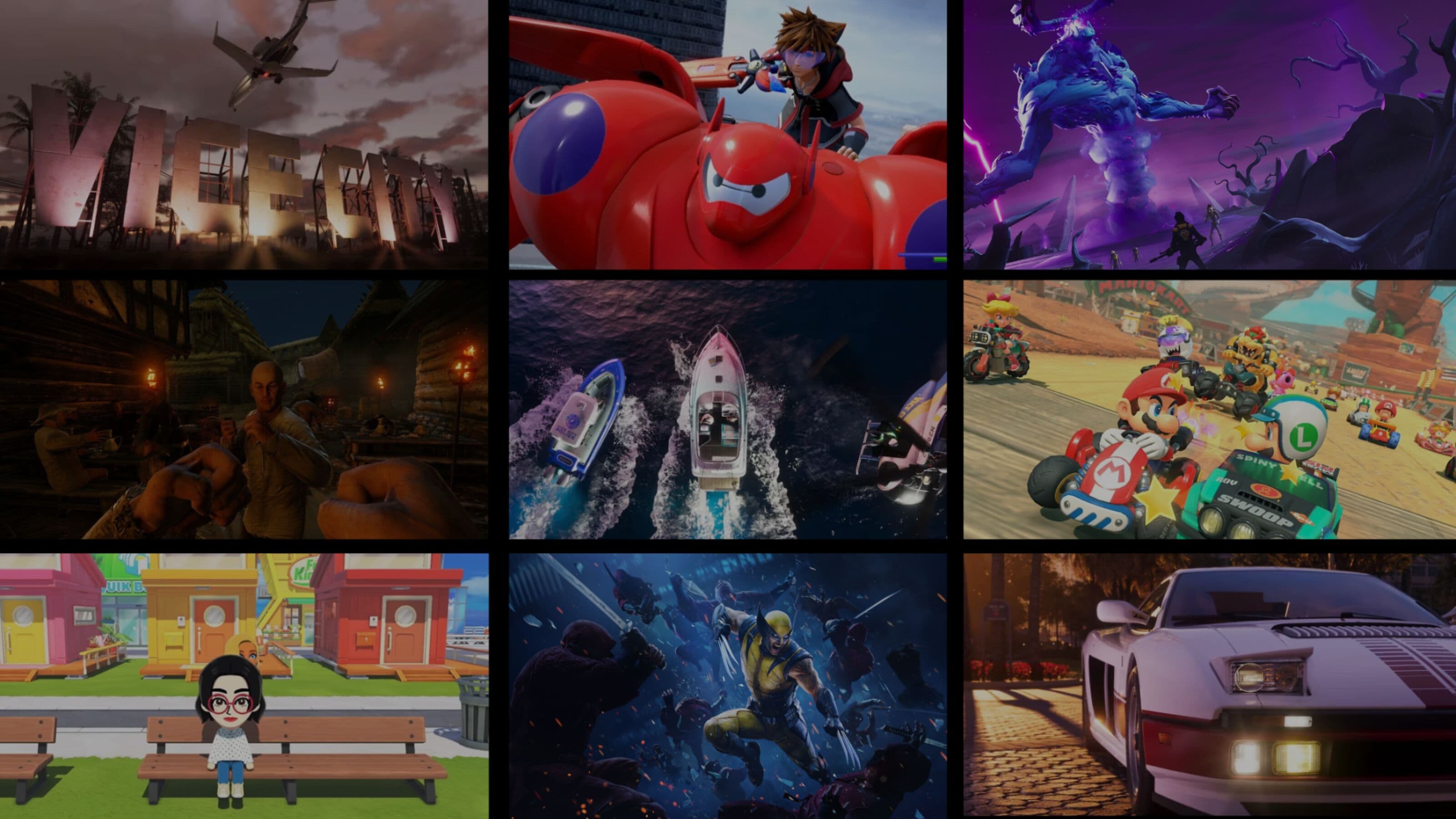
Grand Theft Auto VI is set to be the biggest launch in gaming history when it arrives in November, and it was built the expensive, traditional way. Its development budget has been reported at over a billion dollars, compared with an estimated 138 million dollars for its 2013 predecessor, a roughly sevenfold jump for one franchise across a single console generation. Take-Two Interactive CEO Strauss Zelnick has said generative AI played zero part in the game's development, a statement that reads less like a neutral production fact and more like a deliberate marketing position in an industry currently nervous about how AI will be received.
Why that nervousness exists in the first place
The industry backdrop makes the caution understandable. So-called AAA titles, the premium, big-budget tier GTA VI sits at the top of, now regularly cost hundreds of millions of dollars to produce, and the video game industry cut roughly 25,000 jobs across 2023 and 2024 alone as that cost structure collided with slower revenue growth and a string of expensive live-service failures. A senior Xbox manager has reportedly described gaming as the only industry afraid to talk openly about AI, which is a notable thing to say about a sector that has otherwise been quick to adopt new production technology.
Where AI is already doing the work, quietly
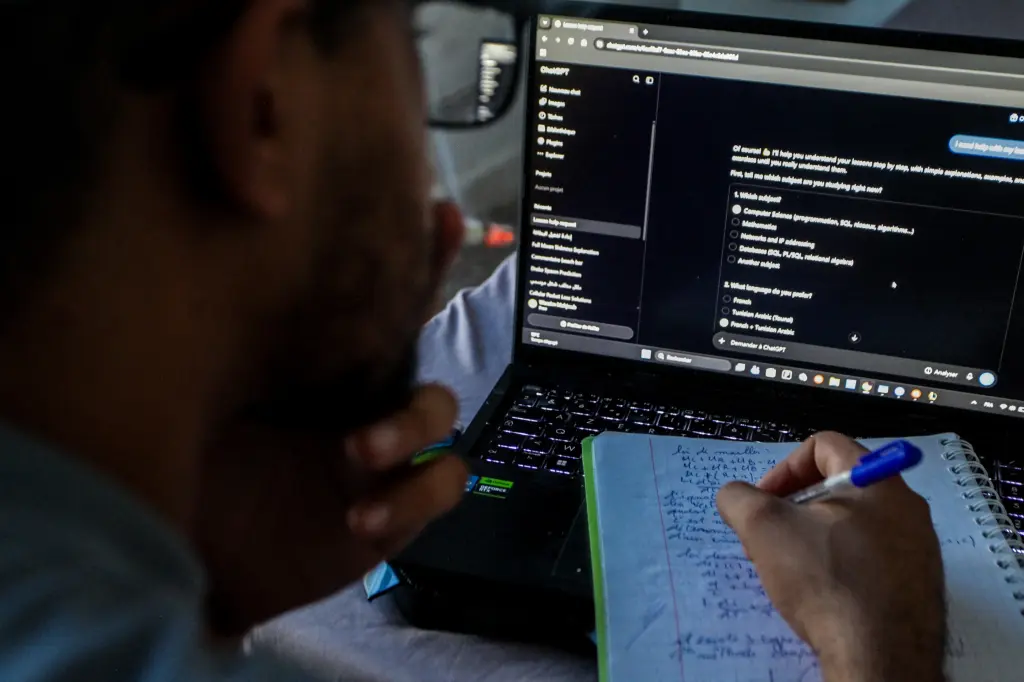
The quiet part is that AI is already present inside plenty of studios, just not discussed publicly the way it is in software, marketing, or film. Generative AI has reportedly started absorbing entry-level production work, the kind of junior tasks that used to train graduates into the directors and studio heads running the industry a decade later. That's a double-edged shift: it can cut costs on exactly the kind of work that's easiest to automate, but it also risks hollowing out the pipeline that produces a studio's next generation of creative leadership.
The actual argument for AI fixing, not just cutting, the economics
The more interesting claim in Bloomberg's piece isn't that AI saves money, it's that AI changes how games get made at a structural level. The argument is that generative tools will let developers spin up ideas and entire game worlds quickly, test what resonates with players, and discard what doesn't, compressing a process that currently takes years of committed budget before a studio learns whether a concept actually works. Applied at AAA scale, that could rein in the kind of budget spirals GTA VI represents; applied to smaller studios, it could let teams a fraction of Rockstar's size approach production values that used to require hundreds of millions of dollars and thousands of people.
What makes GTA VI the pivot point rather than just an outlier
GTA VI's significance here isn't that it proves AI doesn't matter, Take-Two clearly believes a billion-dollar, AI-free production can still be the industry's biggest event. It's that the game may be the last title of its scale built this way simply because the economics aren't repeatable for most of the industry. Rockstar can absorb a budget like that because of Grand Theft Auto's singular commercial track record; most studios making AAA-tier games cannot, and the 25,000 layoffs already on the record are evidence of what happens when they try.
Why this matters for marketing and media budgets watching gaming
Gaming is one of the largest entertainment categories advertisers and brand partners spend against, and a shift in how games get made changes the shape of that opportunity. If AI tooling genuinely lowers the cost floor for high-production-value games, expect more titles, from more studios, competing for player attention and ad inventory inside them, rather than a shrinking handful of billion-dollar blockbusters absorbing most of the spend. The studios staying quiet about AI right now may simply be waiting to see whether admitting to using it costs them more in player goodwill than it saves them in production budget.