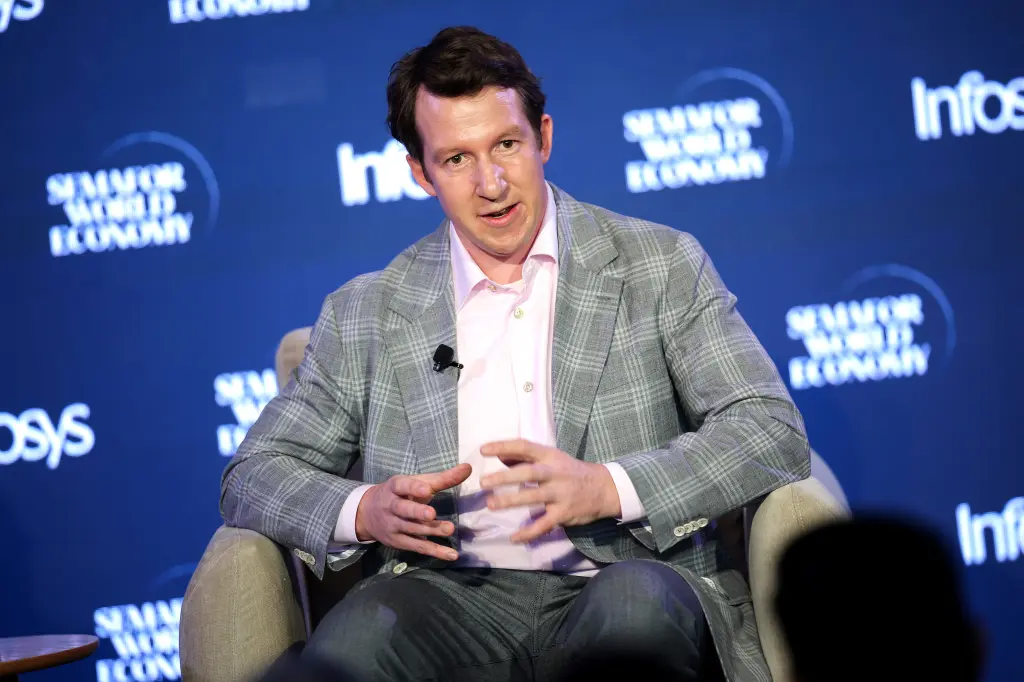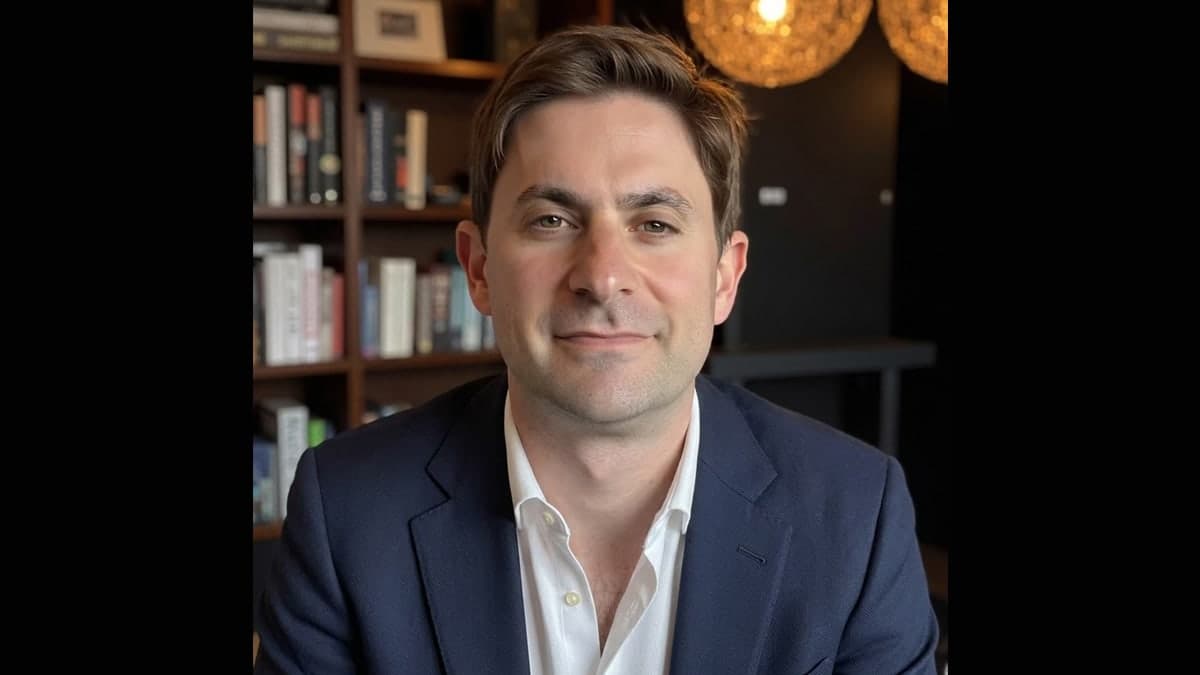
Roku has hired a content strategist whose resume reads like a map of how television actually gets made and sold in the streaming age. Ari Perler, a nearly two decade veteran of the media business and most recently a senior figure at NBCUniversal, is joining the company as head of content strategy. The appointment is a small headline with a large idea behind it, that in the crowded streaming market the edge no longer comes from simply owning content, but from understanding it.
For a platform that sits at the front door of millions of living rooms, that understanding is a genuine asset. Roku knows an enormous amount about what people press play on, how long they stay, and when they drift away. Hiring someone who has spent a career turning that kind of signal into programming decisions is a bet that the company can convert its data into a real content advantage.
A career built on the business of content
Perler's path runs through the heart of American television. He passed through CNN and Fox before settling at NBCUniversal in 2008, where he climbed into progressively senior roles that blended two things most executives keep separate, creative content and hard analytics. He served as a vice president of strategy and analytics on the studio side and later took on senior responsibility for content acquisition, licensing, and advanced analytics, working across NBC, NBC Sports, Bravo, and the Peacock streaming service.
His most telling credential is his fingerprint on Peacock. When NBCUniversal launched the service in 2020, Perler helped shape the content catalog and built the measurement frameworks used to judge what was working, systems the article notes are still in use across the company. He also helped turn the studio's global television distribution into a growth engine, licensing programming across the full alphabet of modern models, subscription streaming, ad supported streaming, free ad supported channels, and traditional broadcast. In other words, he has already lived the exact transition the whole industry is now navigating.
The most valuable person in a streaming company is no longer the one who can buy a hit. It is the one who can tell you why it was a hit, and what to do next.
What the Roku role is really about
At Roku, Perler takes the title of head of content strategy, and the shape of the job matters more than the label. He is being placed at the intersection of programming, product, insights, and strategy, with a mandate to use the company's vast store of viewing data to sharpen commercial decisions. He will split his time between New York and Los Angeles, a detail that quietly captures the dual nature of the role, part Hollywood and part data desk.
That positioning is the whole point. Roku is not primarily a studio churning out originals. It is a platform, and its strength is its window into how people actually watch. A content strategy chief who can read that window and translate it into what to license, what to promote, and what to build is exactly the kind of hire that turns raw audience data into a durable business advantage.
The competitive squeeze behind the move
The timing is not accidental. Roku operates in a market where Netflix and Amazon spend on content at a scale it cannot match dollar for dollar, and where every platform is fighting for the same finite hours of attention. Outspending those rivals is not a realistic plan. Outthinking them on which content to surface, and to whom, is. A hire like this signals that Roku intends to compete on intelligence rather than raw budget, leaning on what it knows about its audience to make smarter, more efficient choices.
That is a sound instinct in a business where the cost of guessing wrong keeps climbing. When a single content deal can run into serious money, the ability to weigh it against real viewing evidence is worth more than another few titles bought on hunch and hope.
The content strategy takeaway
Strip the announcement down and it carries a lesson for anyone building a content operation, not just a streaming giant. The discipline that wins now is the marriage of creative judgment and hard measurement. Taste still matters, but taste guided by evidence beats taste on its own, and evidence without the judgment to interpret it is just a spreadsheet. Perler's value is that he has spent a career holding both at once.
It is also a reminder that data is only an advantage if someone knows how to use it. Roku has long had the numbers. What this hire adds is the interpretive layer, the person who can turn a mountain of viewing signals into a coherent plan for what the platform should show and why. For a company trying to punch above its content budget, that layer may prove more valuable than any single show it could have bought instead.
The streaming wars are entering a phase where the smartest operators, not the richest, will separate from the pack. Roku has just made a move that says it intends to be one of them, and the industry would do well to watch how it plays out.