For years, Spanish language advertising in the United States lived in a box labeled multicultural. It got a line in the plan, a modest budget, and a translated version of whatever the English campaign was doing. The 2026 World Cup is quietly breaking that box apart, and the brands paying attention are treating it less as a multicultural buy and more as one of the biggest mainstream media moments of the decade.
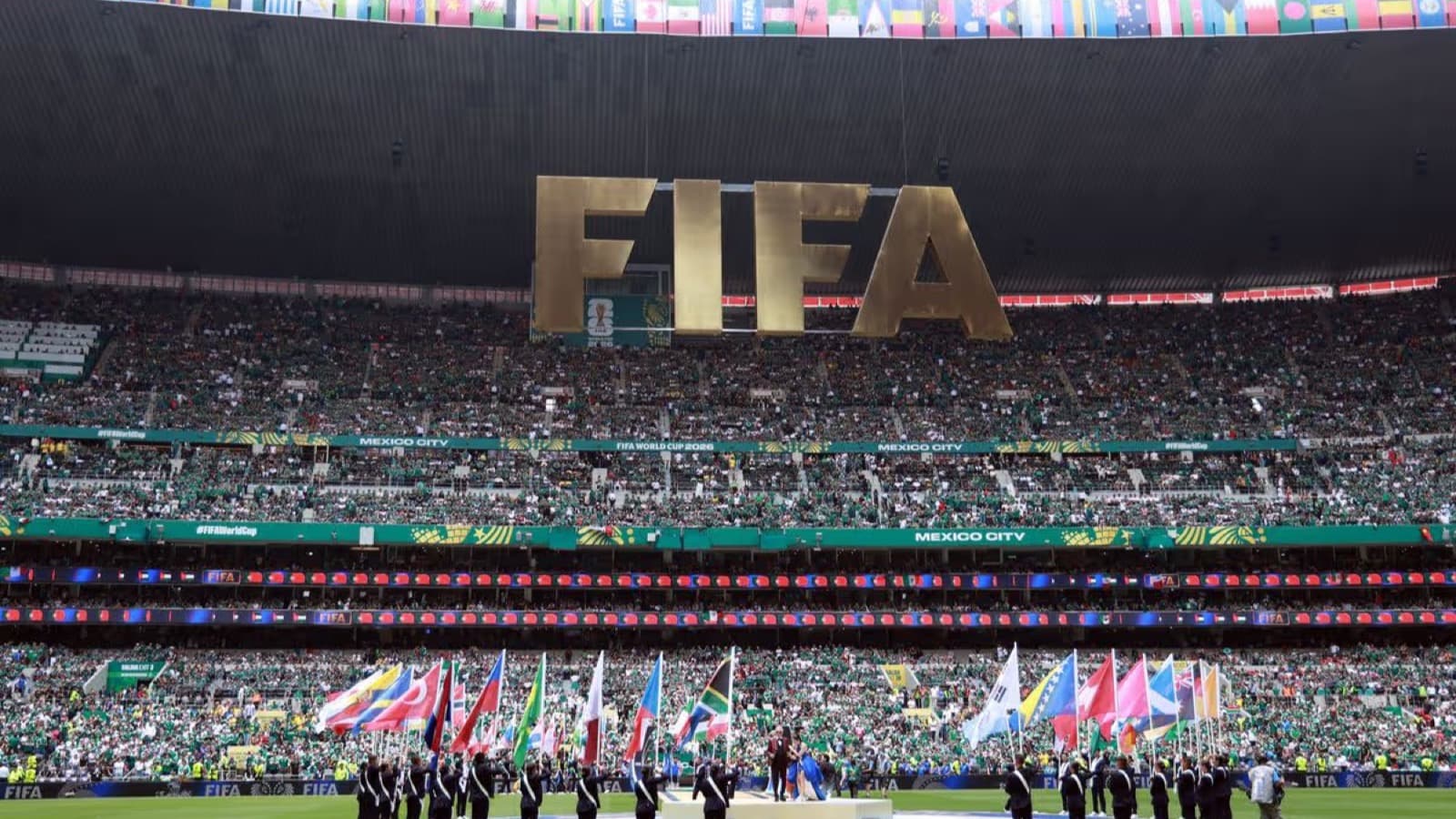
The numbers behind the shift are hard to ignore. The tournament's opening match between Mexico and South Africa pulled in around 12 million viewers across Spanish language television and streaming, the most watched Spanish language World Cup game ever in the country. Projected advertising revenue across the major broadcasters sits near 850 million dollars, a staggering jump from roughly 287 million in 2022. The expanded 48 team format adds some of that growth, but the real engine is demographic, not structural.
A once in a generation audience
The last time the United States hosted the World Cup was 1994. Since then the country's Latino population has grown by about 250 percent to some 68 million people, a transformation that has moved Spanish language and bilingual media from the margins toward the center of American culture. One network chairman described the moment as once in a generation, and for advertisers that is not hyperbole. A tournament of this scale, landing on home soil, in front of an audience that has quadrupled, does not come around often.
Advertiser behavior reflects the change. Around 60 brands are running ads during Spanish language tournament coverage, triple the 20 that showed up in 2022. More telling, roughly 70 percent of those budgets are new money rather than dollars shuffled over from existing multicultural line items. For the first time, the broadcaster is also opening up programmatic buying for these matches, following pilots that worked during the Olympics. That combination, new spenders plus new ways to buy, is what a category looks like when it graduates to the main stage.
Latino culture is the culture now
The framing that best captures the moment came from Karina Martinez, co-founder of the agency Drafted, who put it plainly, Latino culture is no longer only for Latinos, Latino culture is popular culture. She pointed to moments like Bad Bunny headlining the Super Bowl as proof that the mainstream and the Latino market are no longer separate rooms. They are the same room.
That reality changes the math for marketers. Reaching this audience is not a side quest aimed at a slice of the country. It is a path to the cultural center, and the World Cup is the loudest version of it. The brands that understand this are not asking whether to show up. They are asking how to show up without getting it wrong.
Translation is not strategy
Getting it wrong is easy, and the most common mistake is treating Spanish as a font change. Around 75 percent of Latinos in the country are bilingual, moving fluidly between English and Spanish across the day and across screens. A campaign that simply runs the English ad with Spanish subtitles or a dubbed voiceover reads as exactly what it is, an afterthought.
What works instead is creative built on cultural understanding from the start. As Diana Bailey, a partner at the research firm Kantar, framed it, this is not a passive viewing experience, it is a family tradition with real emotional drivers behind it. Pride, heritage, and belonging are not decoration in this context, they are the message. Brands like Cafe Bustelo, Unilever, and Buchanan's have been cited as examples of marketers leaning into that authenticity rather than papering over it.
Respecting the game itself
Authenticity extends past the creative and into the broadcast itself. In a decision that says a lot about the moment, the Spanish language broadcaster declined to use the tournament's new in game hydration breaks as openings for extra commercials, choosing the viewer experience over additional ad inventory. As one senior sports content executive explained, the goal is an authentic World Cup viewing experience that never leaves the pitch once the clock starts running.
That restraint reflects something brands need to internalize. Soccer carries roughly 150 years of tradition, and mid game ad breaks are simply not part of the culture the way they are in American football. Pushing against that etiquette is a fast way to look like an outsider. The medium is sending a signal, and the smart advertisers are reading it.
Show up for the long haul
The other warning from people who know this audience is about commitment. Jose Garriga, a sales leader across the broadcaster's sports operation, put it directly, the brands that can stay before, during, and after the tournament are the ones that will reap the rewards. A single splashy appearance during the final will not build anything lasting. The audience notices who was there only for the spotlight.
James May, a sports marketing lead at Kantar, sharpened the point on trust, once a brand breaks that trust and fails to show up authentically, it is in trouble. In a community where the World Cup is a family ritual, credibility is earned over time and lost in an instant. The transactional approach that works for a one off product launch is exactly the wrong instinct here.
The watershed
Put it all together and the 2026 World Cup looks like a turning point rather than a one time spike. Spanish language and bilingual advertising is moving from a checkbox into the heart of how brands plan to reach America. The growth is not really about a bigger bracket. It is about an audience whose cultural and commercial power has finally become impossible to treat as niche.
The opportunity is enormous, but it comes with a condition. This audience rewards brands that respect the game, speak to the culture rather than at it, and stick around after the trophy is lifted. Do that, and the World Cup becomes the start of a relationship. Treat it as a quick photo opportunity, and it becomes a missed one.