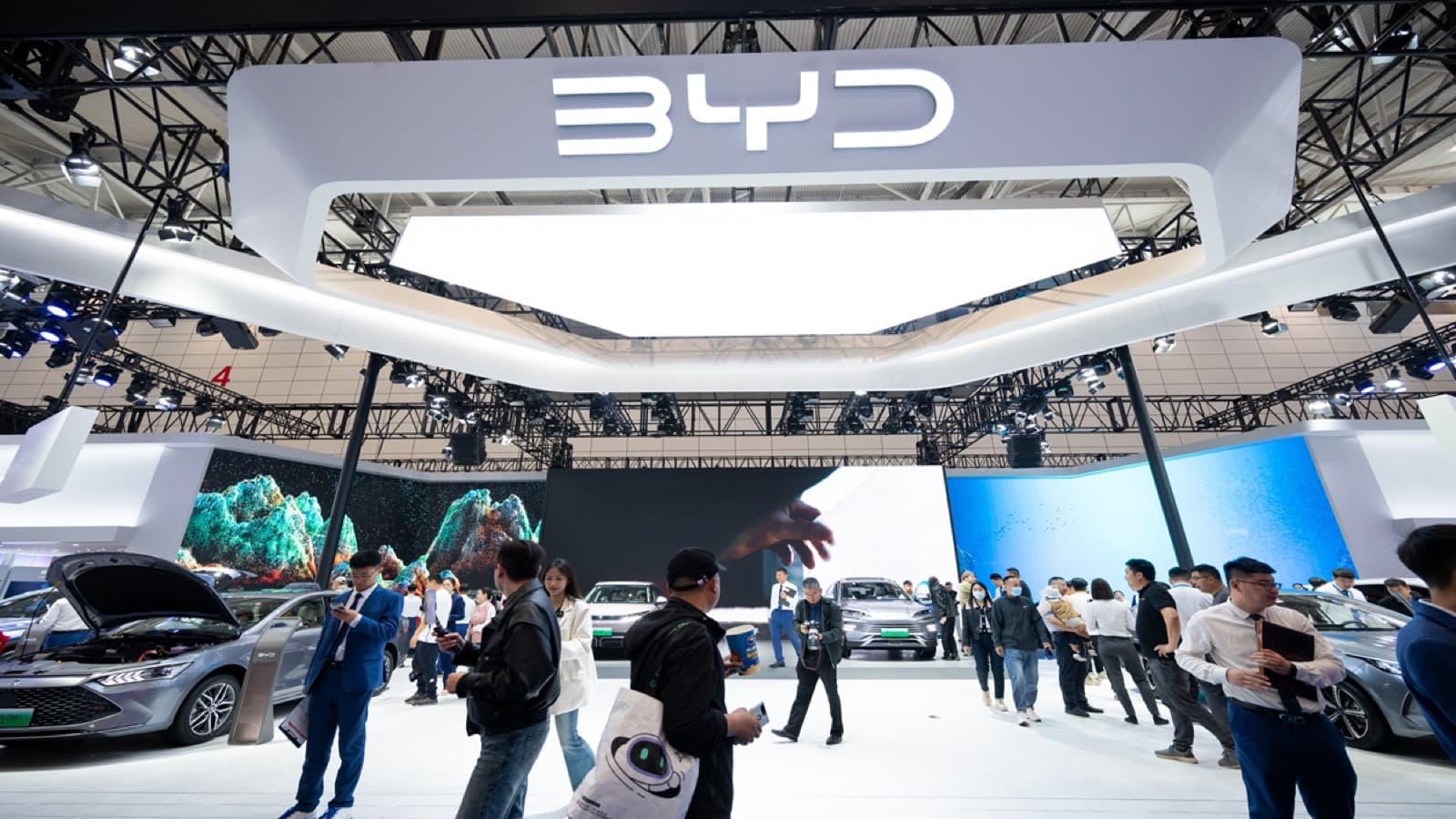
For most of its rise, BYD ran like a single, tightly held machine. One central engineering brain defined the cars, controlled the core technology, and pushed products out under a growing family of badges. That approach turned a battery maker into one of the largest car companies on earth. Now BYD is rewiring how that family is run, and the change is as much about branding as it is about money.
The plan is to make its sub brands stand on their own feet financially. Each will become accountable for its own profit and loss, settling its own research, production, and procurement costs while still drawing on the group's shared resources when it needs them. It is a quiet structural shift with loud implications for how distinct each BYD brand will finally be allowed to become.
From one voice to many
The brands in the reshuffle include Dynasty, Ocean, Fang Cheng Bao, and Denza, with the ultra premium Yangwang handled separately for now. On paper these names already occupy different lanes. Denza and Yangwang reach for the premium end, Fang Cheng Bao was meant to be the rugged and personalized choice, and Ocean and Dynasty carry the mainstream volume. In practice, they have often felt like variations on a theme rather than truly separate brands.
That sameness is exactly the problem the company is trying to solve. When every brand is defined by the same central team and judged mainly on sales, the natural result is homogenization, cars that blur together no matter what the marketing says they stand for. A brand is a promise about who a product is for, and that promise is hard to keep when one group is quietly writing the same story for everyone.
Why accountability changes the branding
The deeper fix is about authority, not just accounting. Until now, the people running each sub brand mostly handled sales. They had little real power, and little incentive, to shape a brand over the medium and long term. They inherited products defined elsewhere and were asked to move them. That is a recipe for short term thinking and weak brand identity.
By giving each brand ownership of its own results, BYD is also handing it the levers that actually build a brand, its own product definition, its own design language, and its own approach to channels and customers. To support that, the company is breaking its centralized engineering academy into five brand specific research institutes, leaving the central team to focus on shared technology platforms. The message is clear, the brands now own their direction, while the group keeps owning the plumbing underneath.
The cautionary tale of Fang Cheng Bao
If you want to understand why this matters, look at Fang Cheng Bao. It launched with bold, rugged off roaders and a premium personalized identity. When the Bao 5 underperformed, the response was price cuts and a more mainstream Tai series, which pulled the brand away from the distinctive niche it was supposed to own and toward the crowded middle. A brand built to be different drifted into being ordinary.
That drift is what independent profit accountability is meant to prevent. When a brand controls its own destiny and lives with its own numbers, the temptation to chase quick volume by abandoning its positioning gets harder to act on. The discipline of standing alone, in theory, protects the very identity that made the brand worth launching.
A founder's long game, decentralized
The shift is striking because it runs against BYD's own history. Between 2008 and 2024 the company poured more than 180 billion yuan, roughly 27 billion dollars, into research and development, often spending far ahead of its profits. In 2019 it earned a slim net profit yet still spent several times that amount on research. That centralized, founder led conviction enabled famously long bets, from buying a semiconductor maker to build its own chips, to sticking with a battery chemistry that later became an industry standard.
Decentralizing now is not a rejection of that legacy so much as the next stage of it. The company has grown from around 427,000 vehicles in 2020 to well over four million a year, and chairman Wang Chuanfu has talked about BYD potentially becoming the world's largest automaker by scale within five years. At that size, one central team defining everything becomes a bottleneck rather than a superpower.
Pressure makes the timing telling
The move also lands at a moment of strain. After years of explosive growth, BYD's first five months of 2026 showed roughly 1.4 million units, a drop of about 20 percent against the year before. Growth that once looked unstoppable has cooled, and a slowdown is exactly when muddled brand identities start to cost real sales. Giving each brand a sharper sense of self, and a reason to defend it, is a sensible response to a tougher market.
BYD is not alone in this thinking. Rivals have run the same experiment in reverse and forward, swinging between centralizing and separating their brands as they search for the right balance between shared scale and distinct identity. The whole industry is wrestling with the same question, how to be one big efficient company and several genuinely different brands at the same time.
The bet underneath the badges
Strip away the org charts and the accounting, and this is a branding decision at heart. BYD is betting that brands grow stronger when the people running them have both the freedom and the responsibility to make them distinct. Shared technology can come from the center, but identity, the thing that makes a buyer choose one badge over another, has to be owned by someone who lives with the consequences.
If it works, BYD's badges will stop feeling like trim levels of the same company and start feeling like real brands with real points of view. If it stumbles, it will be a reminder that structure alone does not create distinctiveness. Either way, the era of one brain defining every BYD is ending, and what replaces it will be visible not in a spreadsheet but in the showroom.