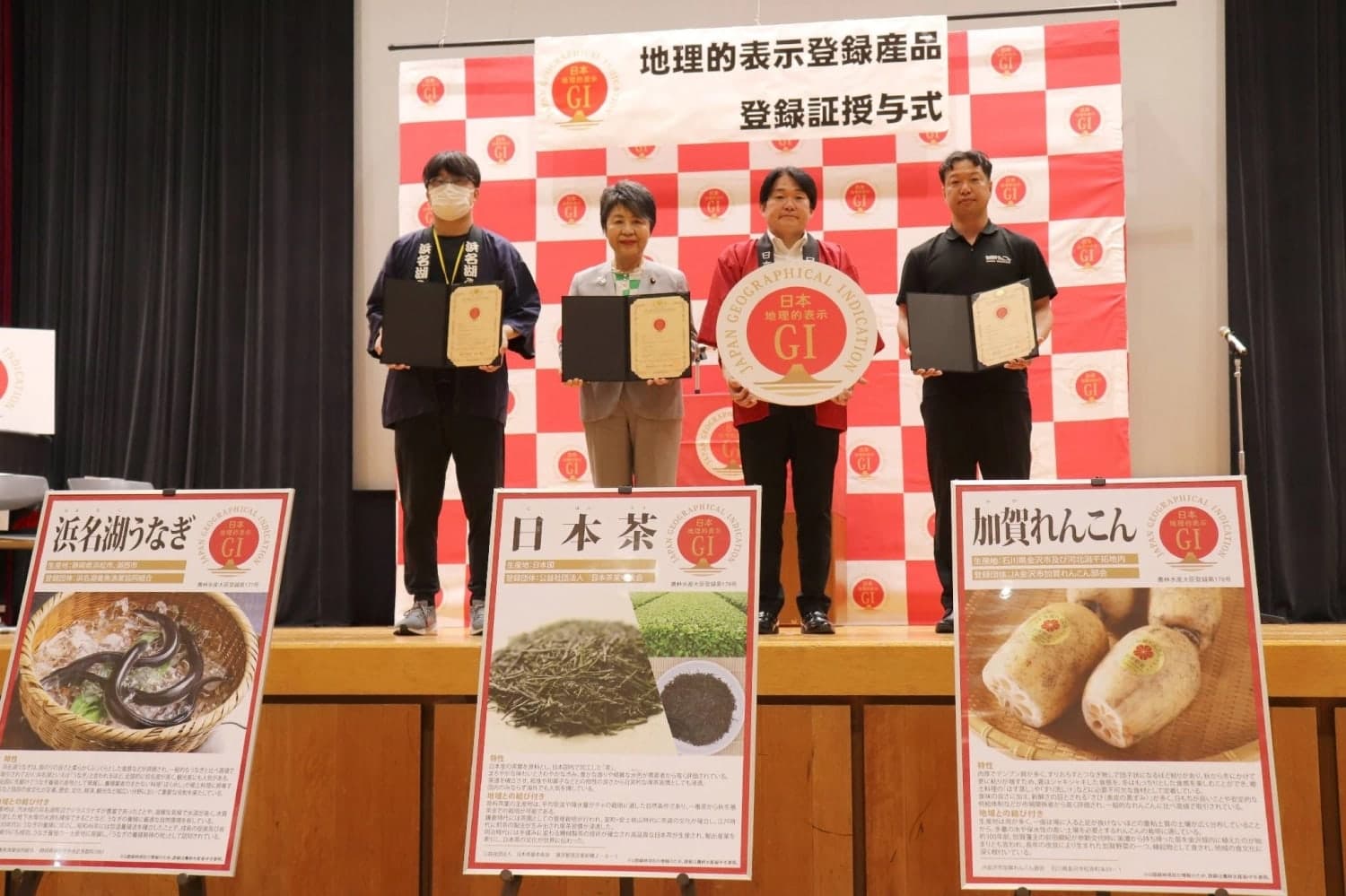
Japan has decided that its most famous drink deserves the same legal shield as champagne and parmesan. The government has registered Japanese tea, known as Nihoncha, under its geographical indication system, a move designed to stop the flood of imitation products passing themselves off as the real thing in markets around the world. It is a branding decision dressed as bureaucracy, and it says a great deal about how nations now defend the value locked inside a name.
The timing is not subtle. Matcha has become a global obsession, appearing in cafes, supermarkets, and beauty products far from any Japanese tea field, and a good deal of what is sold under the label has little genuine connection to Japan. By placing Nihoncha inside a formal protection scheme, the country is drawing a hard line around a word that had been quietly slipping into the public domain.
What the registration actually does
A geographical indication ties a product name to a place and a set of standards, so that only goods meeting those conditions can carry it. Under the new registration, the term Nihoncha is reserved for tea that is grown, harvested, and processed in Japan. Anything else is, in the eyes of the system, not the genuine article, no matter what its packaging claims.
What makes this case unusual is its scope. Most geographical indications protect a single region, a Kobe beef or a Yubari melon tied to one corner of the country. Nihoncha is the first nationwide agricultural product to be registered this way, covering the whole of Japan rather than one prefecture. That breadth reframes the entire nation as the origin worth protecting, a bolder claim than any single regional label.
A name is one of the most valuable things a producer owns. Japan has just decided that Nihoncha is too important to leave unguarded.
Why brand protection matters here
The practical payoff is enforcement. Once a product sits inside the geographical indication system, producers and authorities gain real legal footing to challenge anyone using the name without permission, especially in countries that recognize the same protections. Tea and matcha marketed abroad as Japanese while having no true link to the country can now be contested rather than merely resented.
This is the quiet power of the tool. It converts national pride into an asset that can be defended in a courtroom. For genuine growers, whose reputation and prices depend on the trust the name carries, that protection guards both their heritage and their livelihood. Every counterfeit that erodes confidence in Japanese tea also erodes the premium real producers can command, which makes the registration as much an economic shield as a cultural one.
Tea in good company
Nihoncha did not enter the system alone. The agriculture ministry granted protection at the same time to Hamanako unagi, eels farmed around Lake Hamana in Shizuoka Prefecture, and to Kaga renkon, the lotus roots grown in Ishikawa Prefecture. With these additions, the number of Japanese agricultural, forestry, fishery, and food products covered by the scheme, setting aside alcoholic drinks, reached one hundred and seventy.
That growing register tells its own story. Piece by piece, Japan is cataloging the foods and drinks whose names carry real value and wrapping each in legal protection. It is a patient, deliberate way of treating culinary heritage as intellectual property, and the tea registration is simply the most globally resonant entry yet.
The branding lesson
Strip away the specifics and the story carries a message for any brand owner. A name only holds value while it means something, and a name that anyone can use ends up meaning nothing. Japanese tea reached a point where its fame had outrun its protection, and the fix was not a marketing campaign but a legal boundary that restores scarcity to the label.
The broader lesson is that reputation is not self sustaining. It has to be actively defended, especially once a name becomes valuable enough to imitate. Japan has recognized that the popularity of its tea is precisely what put the brand at risk, and that the answer is to make the name mean exactly one thing again. In a world where a beloved product can be copied faster than it can be enjoyed, that instinct to guard the name may be the most valuable branding move of all.