For years, the smartest move for a Chinese company chasing Western shoppers was to hide where it came from. Mention China and you invited a wave of associations many consumers carried by default, cheap, disposable, suspect on data and quality. So the savviest brands did the opposite of what marketers usually do. They went quiet about their roots, leaned on clean global sounding names, and let the product speak while the passport stayed in the drawer. That playbook, sometimes called China shedding, built some of the biggest names in fast fashion and discount retail. It is now starting to look out of date.
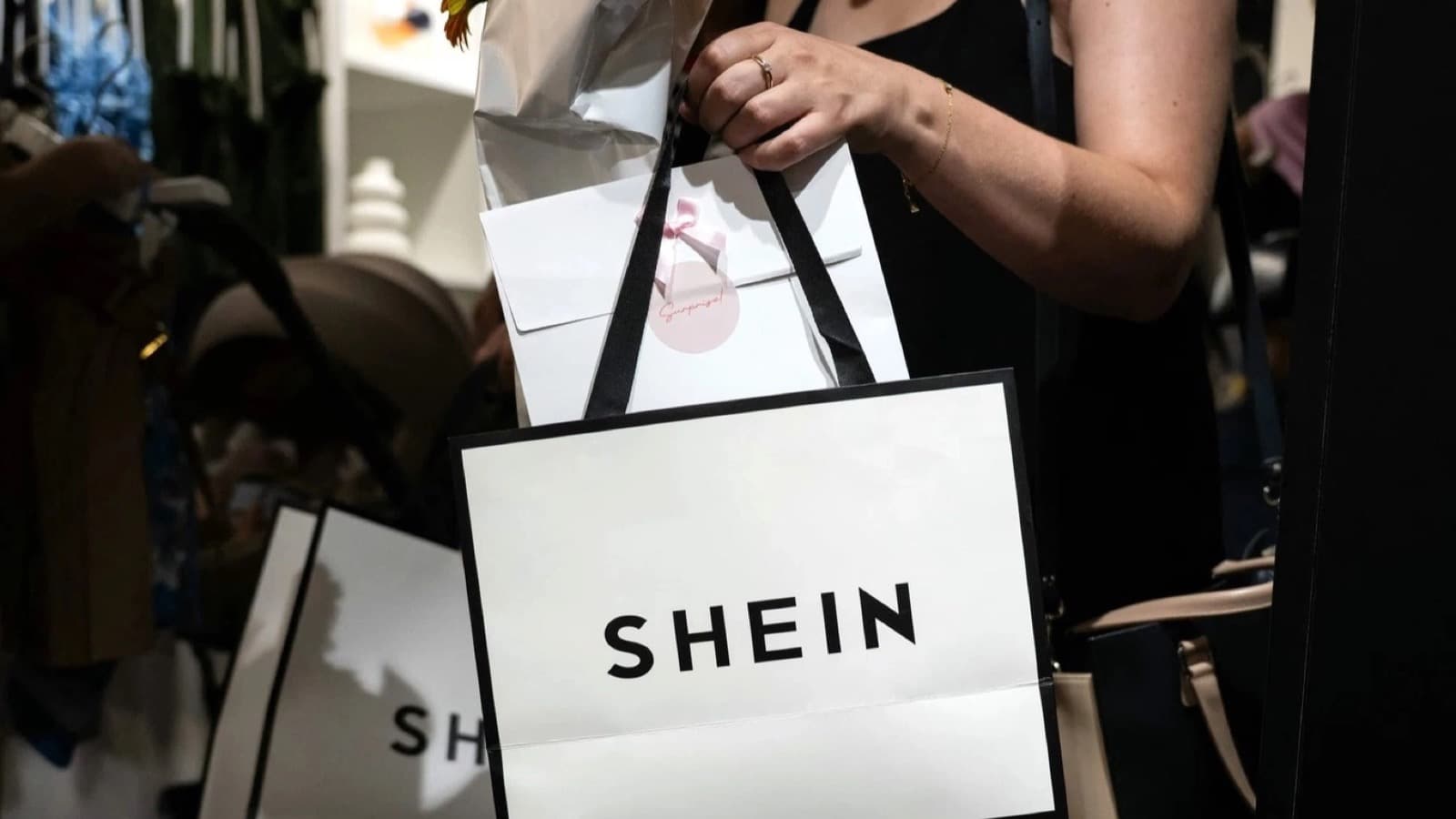
The shift is visible on the bottom of a shopping bag. Brands that once buried their origins are beginning to embrace them, betting that being Chinese is no longer a liability to manage but an asset to market. Call it the move from hiding China to selling China, and it is one of the most interesting branding stories happening right now.
How the old strategy worked
The logic of China shedding was simple. A brand wanted to be judged on its prices, its styles, and its convenience, not on a national label that triggered skepticism before a customer even looked at the product. The result was a generation of companies that felt placeless by design. Names that could have come from anywhere, marketing that spoke the local language fluently, supply chains and head offices kept tactfully in the background.
It worked, spectacularly. One fast fashion giant grew into the largest player in budget apparel anywhere, with private estimates putting its recent annual sales near 60 billion dollars, ahead of long established Western chains. For a long time the quiet approach was not just cautious, it was the reason these companies could win shelf space in minds that might otherwise have been closed to them.
Why the mood is changing
Two things have shifted underneath that strategy. The first is the product itself. A run of genuinely admired Chinese brands has changed what the label can mean, from drones that dominate their category, to electric vehicles winning on technology rather than price, to collectible toys that have become a global craze. When the output is aspirational, the origin stops being something to apologize for. Made in China has started to read, for a growing number of buyers, as made well.
The second is cultural. Among younger consumers in particular, attitudes have softened, and in some corners flipped entirely. A wave of online enthusiasm for Chinese apps, products, and culture has turned what used to be a quiet origin into something closer to a talking point. When a slice of your audience is actively curious about, even charmed by, where a brand comes from, hiding it leaves value on the table.
The pivot in public
The clearest signal of the change has been founders and parent companies stepping into the light rather than away from it. When the founder of a major bargain fashion empire appeared publicly to thank the local government and suppliers who helped build it, the gesture read as a deliberate end to years of distance. The same parent group behind one of the most aggressive discount platforms has been pushing to move beyond anonymous white label goods toward branded products with identity and story, the opposite of the placeless approach.
This is not nostalgia. It is calculated brand building. Owning your origin lets you tell a fuller story, claim craftsmanship and heritage, and build the kind of emotional connection that a deliberately blank brand can never quite manage. The companies making this turn are betting that authenticity, even complicated authenticity, now beats anonymity.
The tightrope
None of this means the old risks have vanished. Geopolitics, tariffs, data scrutiny, and shifting regulation still make a Chinese label a liability in some markets and with some audiences. A brand that embraces its roots too loudly in the wrong moment can find that pride turns back into a target. The smart version of this strategy is therefore selective, leaning into origin where it helps, staying measured where it does not, and reading each market on its own terms.
That is the real lesson for anyone watching from the branding world. National identity is not a fixed asset or a fixed liability. It is a variable that brands can dial up or down as perceptions move, and the best operators treat it as exactly that, a lever rather than a label they are stuck with.
What it means for everyone else
The story matters well beyond Chinese commerce. It is a live demonstration of how quickly the meaning of a brand attribute can flip, and how a disadvantage can become a selling point when the underlying product earns enough respect. The companies that spent a decade hiding are now discovering that the thing they concealed could be a source of distinction, precisely because so many rivals are still trying to look like they come from nowhere.
The takeaway is bracingly simple. Reputation follows results. Build something people genuinely admire, and even the parts of your identity you once downplayed can become reasons to choose you. The brands shedding their disguise are not just changing how they market. They are signaling that the balance of confidence in global retail has quietly tilted, and that where a product comes from can sell it rather than sink it.