KFC is in the middle of its most ambitious brand evolution in years, a global effort that touches its menu, its restaurants, and the look of the brand itself. The company that effectively created fried chicken as a category now wants to define what a modern fried chicken chain should be, and it is treating the project as a business strategy rather than a cosmetic refresh.
The push is led by global chief marketing officer Valerie Kubizniak, who frames it as writing the next chapter for a brand that invented the category. Her point is blunt, this is a real business strategy and not just a marketing exercise. The aim is to set the standard for what a modern fried chicken restaurant looks and feels like, from the food to the building to the logo on the bucket.
More than a new logo
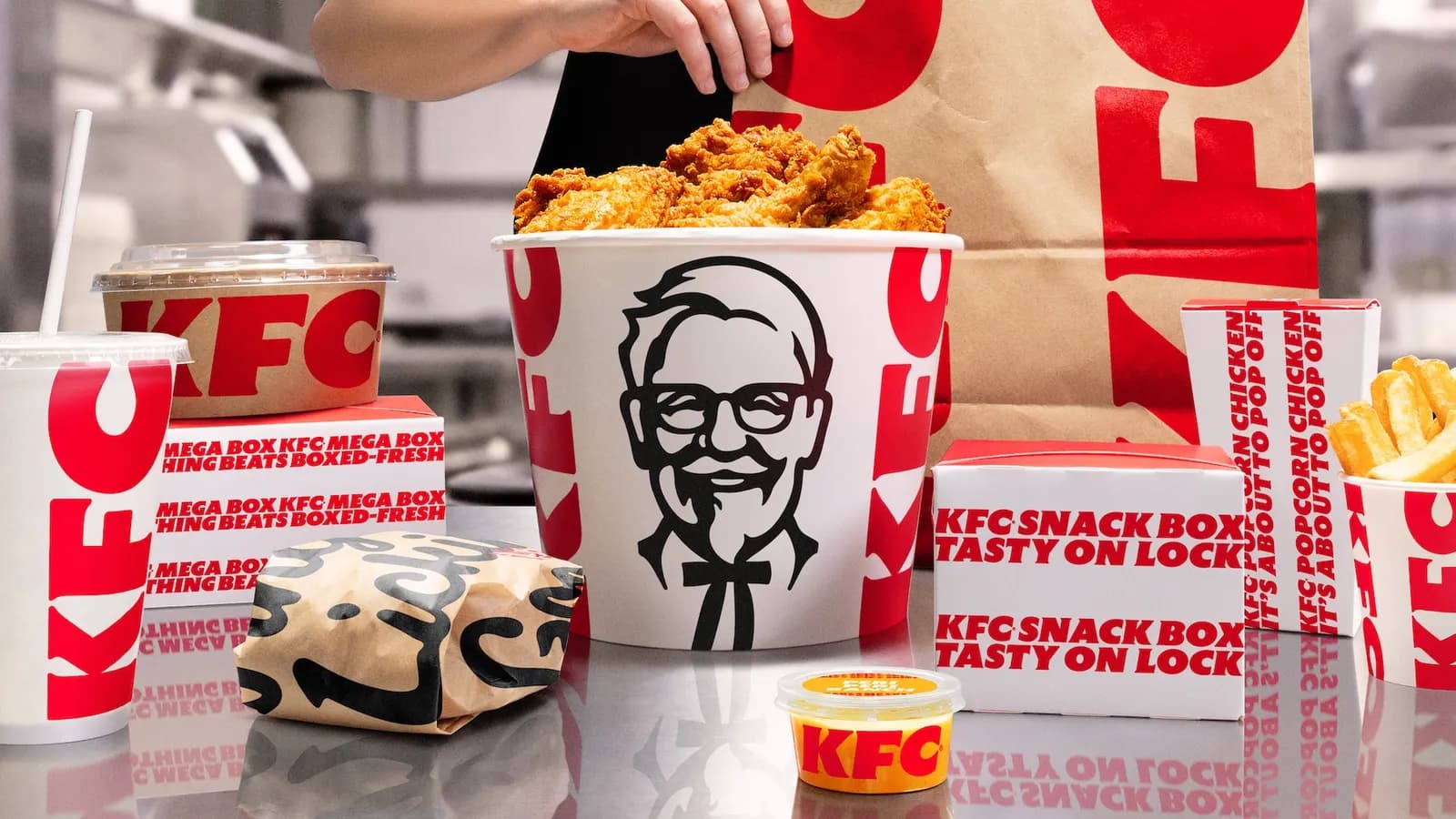
The visual side of the work is deliberately restrained. Rather than tear down decades of equity, KFC is making subtle updates to its most recognizable assets, including the bucket and the Colonel, and then carrying that refreshed identity consistently across packaging, digital platforms, advertising, and the restaurants themselves. The goal is a brand that feels current without losing the cues customers already know.
A menu built for how people eat now
The menu changes follow a clear read on behavior. People are snacking more, eating at odd hours, and treating fixed meal times as optional. KFC is leaning into that with a sharper focus on tenders and sauce led products, building on its Saucy idea with Dunked items that drench tenders, wings, and sandwiches in sauce. A beverage sub brand called Kwench rounds out the push, giving the chain more reasons for a customer to drop in outside the traditional lunch and dinner windows.
New kinds of restaurants
The physical experience is changing too. KFC has been testing fresh formats, including an open concept location in McKinney, Texas and a two story restaurant in Dubai, that show how the refreshed brand can translate across very different markets. These flagships act as proof points for what the wider estate could eventually become.
Momentum, and a soft home market
The timing reflects an uneven picture. Internationally KFC has been strong, accelerating two year same store sales for four straight quarters, while the United States has been harder, with system sales down 2 percent and the country now sitting third behind China and Europe. The brand evolution is, in part, a way to carry international momentum into markets that need a lift. It also draws on the wider Yum Brands portfolio, borrowing lessons and consumer research from sister brands to sharpen the work.
Where it lands first
The rollout starts in the United Kingdom and Ireland in June 2026, with Australia, the United States, and other markets to follow. If it works, KFC will have pulled off something rare, refreshing a brand most of the world already knows while giving people new reasons to choose it. The bet is that owning the modern fried chicken experience is worth far more than a tidy new logo.