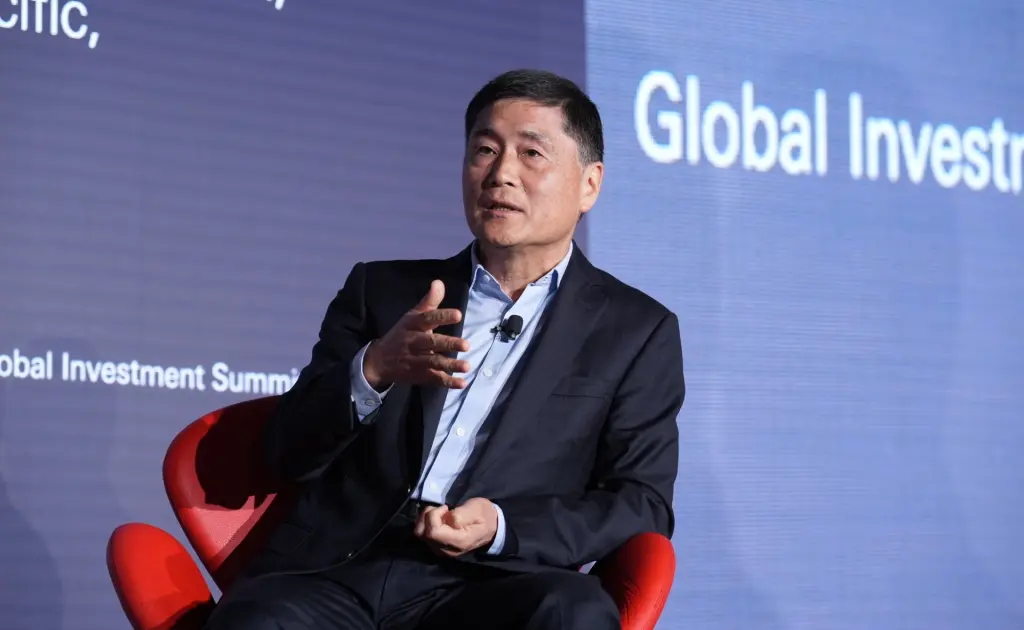
Ming Lu has spent enough years inside KKR, most recently as executive chairman of its Asia Pacific business, to have watched several technology cycles promise a productivity windfall and then take years longer than advertised to deliver one. In a recent analysis flagged by Fortune, he lays out why he expects the current AI buildout to follow the same arc: a burst of spending and excitement up front, followed by a long, unglamorous stretch before it shows up in company earnings.
A pattern he's seen before
Lu's framing is blunt: innovation and growth don't move together, they trade off against each other in the short run. He traces the same lag through the personal computer era and the smartphone boom, both of which reshaped how companies operated well before the productivity statistics caught up. His argument is that AI isn't an exception to that pattern, it's the latest instance of it.
The numbers behind the stall
The data points Lu cites are stark. In McKinsey's 2026 survey work, 88 percent of CFOs say AI has not meaningfully moved their company's bottom line, and only 6 percent of organizations have reached what the survey calls high performer status, meaning AI is adding at least 5 percent to EBIT. The gap shows up on the adoption side too: more than half of U.S. adults, 53 percent, now use AI tools in some form, but enterprise deployment sits at roughly 10 percent. Consumers raced ahead. Companies did not.