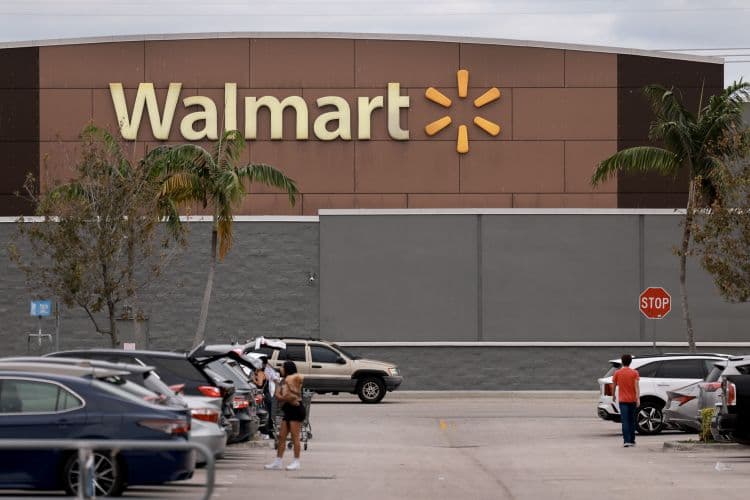
Walmart delivered a strong earnings update on Thursday, lifting its full-year sales and profit guidance on the back of a rapidly expanding advertising unit and a resilient ecommerce operation. According to AdWeek, the retail giant's advertising business grew 38% during the reporting period, a figure that underscores just how central retail media has become to Walmart's broader financial strategy.
The 38% jump in ad revenue is a striking number for a company of Walmart's size, and it signals that the retailer's advertising arm, which sells placements to brands across its website, app, and in-store screens, is no longer a side project. Retail media networks have become one of the fastest growing categories in digital advertising over the past several years, and Walmart Connect, the company's advertising division, has positioned itself as a serious rival to Amazon's advertising business in terms of scale and marketer interest.
Beyond advertising, AdWeek reported that Walmart's ecommerce operations also posted booming results, contributing meaningfully to the company's decision to raise guidance. Online grocery and general merchandise sales have been a growth engine for Walmart in recent years as the company has invested heavily in fulfillment infrastructure, same-day delivery, and its marketplace platform for third-party sellers.
The combination of ecommerce strength and advertising growth points to a flywheel effect that Walmart has been cultivating deliberately. More shoppers browsing and buying online generates more data and more inventory for ad placements, which in turn draws more advertising dollars from consumer packaged goods brands eager to reach shoppers at the moment of purchase. That dynamic has made retail media one of the most sought-after ad categories among marketers and media buyers alike.
Profit growth was another key driver behind the guidance increase, according to the AdWeek report. Advertising revenue tends to carry significantly higher margins than traditional retail sales, meaning that even a modest shift in revenue mix toward advertising can produce an outsized impact on overall profitability. As Walmart Connect scales, it likely continues to become an increasingly important contributor to the company's bottom line, not just its top line.
Adding an unusual twist to the earnings story, AdWeek noted that Walmart benefited from tariff refunds totaling $2.9 billion, which provided an additional financial tailwind during the period. Tariff policy has been a persistent variable for large importers and retailers in recent years, and refunds of this magnitude can meaningfully affect a company's reported results in a given quarter, separate from its core operating performance.
The decision to raise full-year guidance sends a signal to Wall Street and to the broader retail industry that Walmart's leadership is confident in the durability of these trends, rather than viewing them as one-time gains. Investors typically respond favorably to raised guidance, particularly when it is backed by structural growth drivers like advertising and ecommerce rather than one-off accounting adjustments.
For the advertising industry specifically, Walmart's results carry implications well beyond the company itself. Media buyers and agencies have increasingly allocated budgets toward retail media networks, drawn by the promise of closed-loop measurement that ties ad exposure directly to purchase data. Walmart's growth figures give further ammunition to retail media advocates who argue that these platforms deserve a larger share of overall marketing budgets.
Competition in the retail media space has intensified as other major retailers, including Target, Kroger, and Instacart, have built out their own advertising offerings in an attempt to capture similar revenue streams. Walmart's scale, given its massive customer base and physical footprint, gives it a natural advantage in this competition, and continued growth at this pace could pressure rivals to accelerate their own ad platform investments.
The tariff refund windfall also highlights how trade policy continues to ripple through corporate earnings in ways that can complicate comparisons across quarters and years. Analysts and investors will likely want to understand how much of Walmart's improved guidance reflects sustainable operational strength versus temporary financial relief tied to tariff adjustments.
As Walmart heads into the remainder of its fiscal year, the company's raised guidance suggests executives expect both the advertising and ecommerce businesses to maintain their momentum. For marketers, agencies, and competitors watching closely, the results reinforce a broader industry narrative that retail media has moved from an experimental ad channel to a core pillar of how the world's largest retailer generates profit.