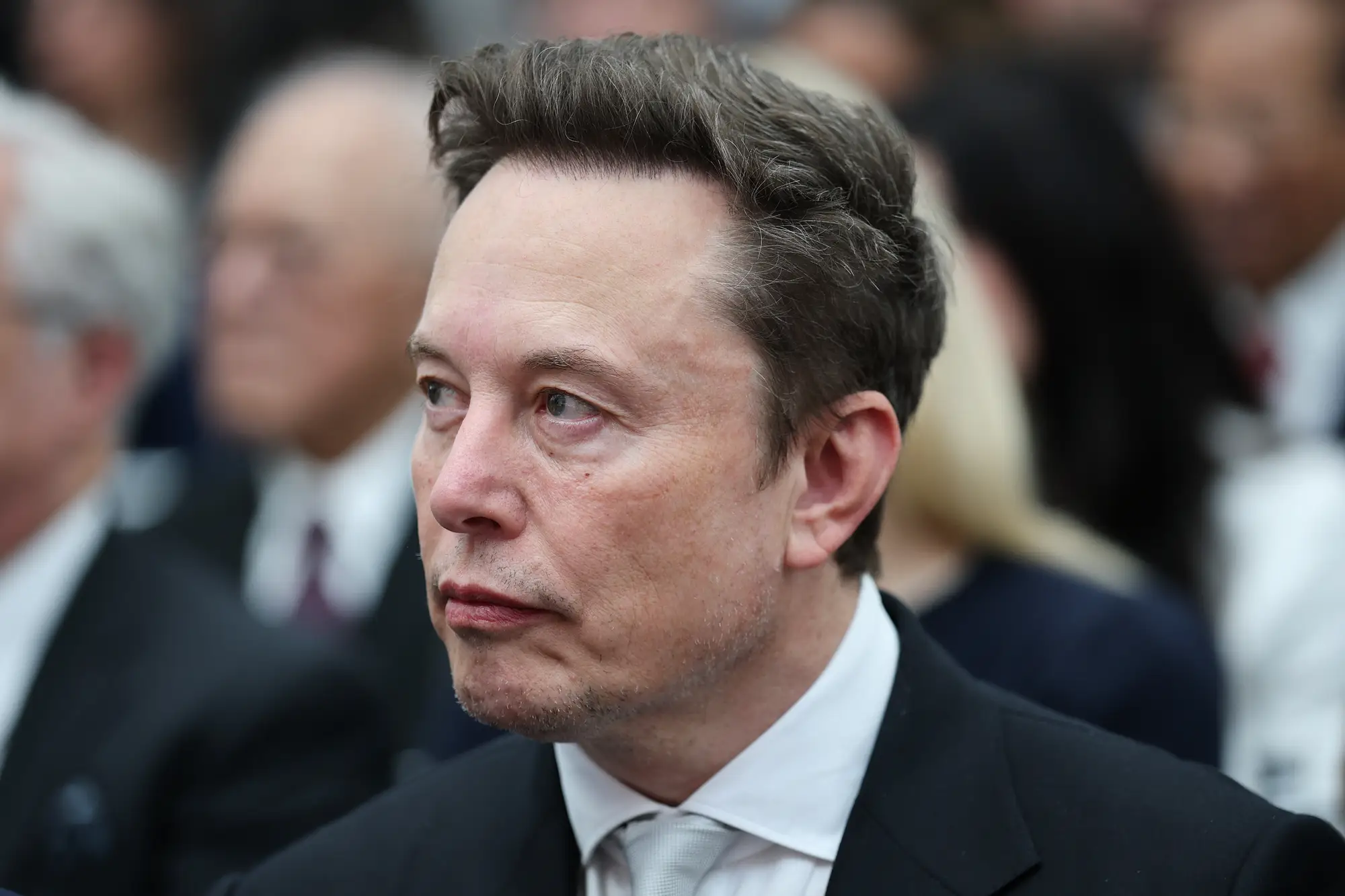
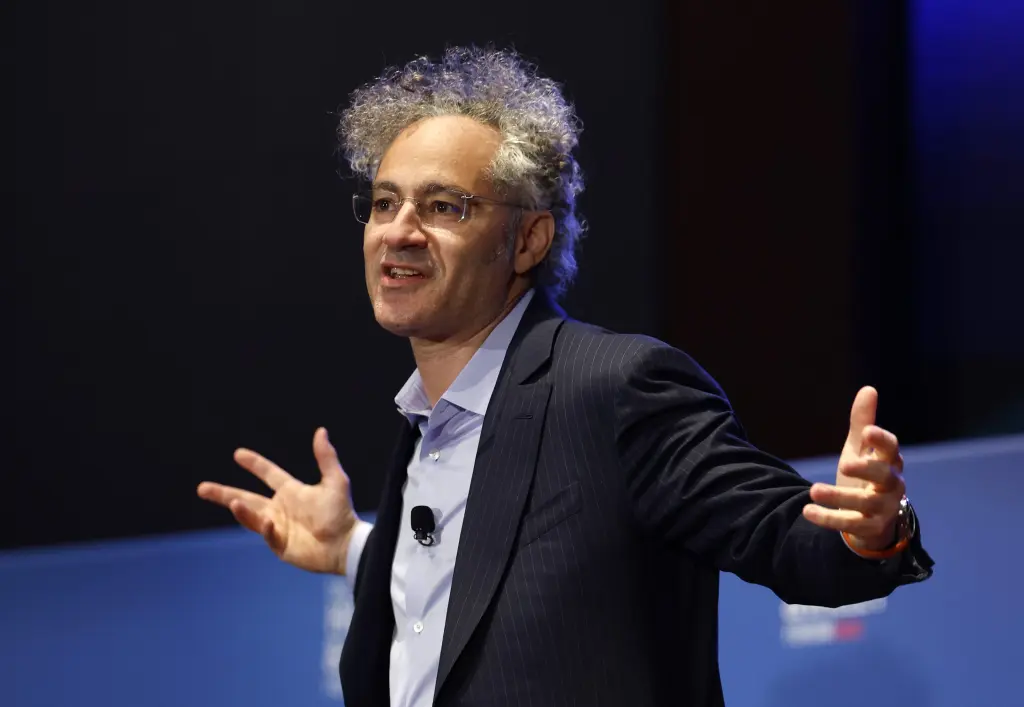
SpaceX and Tesla have each formed special committees of independent directors to study a possible merger, with no agreed terms yet on the table. Reuters has floated a combined valuation of roughly 3.5 trillion dollars, while early acquisition models from Barclays and RBC Capital Markets sketch a more specific shape: a 2.0 trillion dollar SpaceX formally acquiring a 1.5 trillion dollar Tesla in an all-stock deal.
The pitch: the first vertically integrated physical AI company
The strategic case Musk and allies are making has nothing to do with cutting costs or combining back offices. It's about stacking SpaceX's rockets and Starlink satellite network together with Tesla's Full Self-Driving software, Optimus robotics program, and custom AI chip manufacturing into a single company that would, in theory, be the world's first vertically integrated physical AI powerhouse, one entity spanning everything from orbital infrastructure down to a robot that can fold laundry.
Where the premium actually goes
For Tesla shareholders, the near-term math looks appealing on paper. RBC's model values the deal at 480 dollars a share, roughly a 30 percent premium over where Tesla trades today, and the broader range of estimates clusters around a 20 to 30 percent takeover premium. But that premium is paid in SpaceX stock, not cash, and analysts warn it could be whittled away by arbitrage traders the moment the deal is announced, as arbs short the acquirer's shares to lock in the spread, a standard dynamic in any large stock-for-stock merger that gets more painful the longer a deal takes to close.
The conglomerate discount problem
The deeper concern isn't the announcement-day premium, it's what happens to the combined company's valuation afterward. Multi-business conglomerates routinely trade at a discount to the sum of their individual parts, because public markets have a hard time valuing a rocket company, a satellite network, a car maker, and a robotics startup all inside one ticker using one multiple. The specific fear here is that once SpaceX and Tesla are combined, the market prices the whole thing using Tesla's multiple rather than SpaceX's, which would mean Tesla shareholders took a premium on the way in and then watched the combined entity's valuation compress right back down.
Musk's control gets bigger, not smaller
The governance math only sharpens the question of who actually benefits. Musk currently owns about 20 percent of Tesla outright, but controls the majority of SpaceX's votes through supervoting shares, since SpaceX has stayed private and never diluted his control the way a public company's board and shareholder votes eventually do. Barclays estimates that in a combined company, Musk would end up holding around 56 percent of the voting power, meaning a merger pitched as unlocking shareholder value would also hand one shareholder outright control of a company with a Tesla-sized public float and a Reuters-estimated valuation in the trillions.
Why the branding and the balance sheet are telling different stories
The split here is a useful case study for anyone who has to sell a strategic narrative to investors or the public: the vertical-integration pitch is coherent and genuinely ambitious, rockets, chips, robots and self-driving cars really would sit together more logically than most corporate combinations ever do. But a compelling story about where a company is going doesn't automatically overcome a market structure problem about how that company gets priced once it exists, and right now the analyst models are telling two different stories at once, a premium for Tesla holders on the way in, and a discount risk for everyone once the stock actually starts trading as one thing.