Ferrari has always sold far more than horsepower. The sound of the engine, the prancing horse badge, the long waiting lists, and the unspoken rule that you do not simply buy a Ferrari but earn the right to be offered one have together built one of the most valuable luxury brands on earth. So when the company pulled the covers off its first fully electric car at a tightly controlled event near Rome, the question on every marketer's mind was not about range or acceleration. It was whether a brand built on noise can survive going quiet.
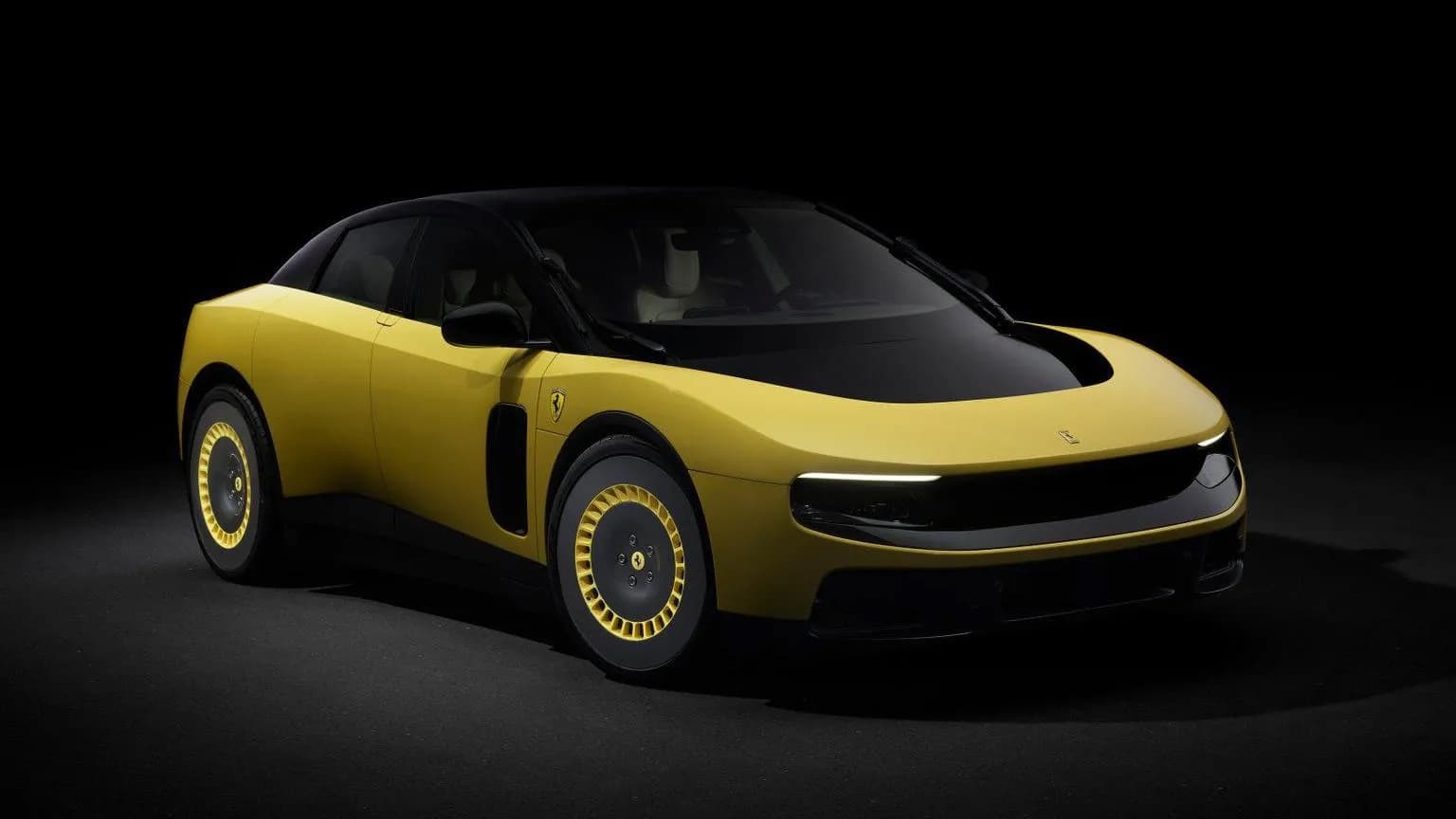
The car, previewed under the working name Elettrica and revealed in production form as the Luce, is a clean break from everything buyers expect from Maranello. It is a four door, a five seater, and a family machine with a 600 litre trunk and a price tag around 550,000 euros, roughly 640,000 dollars. Deliveries are due to begin in the final quarter of 2026. The performance numbers are staggering, with four electric motors producing more than 1,000 horsepower and a sprint to 100 kilometres per hour in about 2.5 seconds. Yet the loudest conversation after the reveal was not about speed at all.
A reveal staged like a brand defence
Ferrari did not let this car simply appear. It gathered around 200 journalists at a striking venue and managed every angle of the unveiling, the kind of choreography a brand reserves for a moment it knows could go either way. That level of control is itself a marketing tell. When a company stages a launch this carefully, it is not just showing a product, it is trying to frame how the world talks about it before the world makes up its own mind.
The framing effort was understandable. Pivoting an icon into a brand new category is one of the hardest moves in marketing, because the very traits that made the brand beloved can become liabilities the moment the product changes. Ferrari needed the launch to say evolution, not abandonment, and the staging was built to carry that message.
When heritage meets a new category
The deeper tension is that Ferrari built its identity on things an electric car cannot offer. The scream of a combustion engine, the theatre of a gearshift, and the romance of a two seat sports car are core to the story the brand has told for generations. Replace them with silence, a back seat for the kids, and a generous boot, and you are no longer extending the brand so much as asking customers to accept a different one wearing the same badge.
This is the classic risk of brand stretch. A name earns trust by standing for something specific, and every step into a new category tests how far that trust will travel. Stretch too far and loyal customers feel the magic has been diluted, while the new buyers you hoped to win may not value the heritage you are leaning on. Ferrari is betting that its badge carries enough desire to pull buyers into a segment it has never served, and that bet is the whole game.
The design gamble and a famous collaborator
To soften the leap, Ferrari brought in serious design firepower, working with the former Apple design chief Jony Ive and his creative collective on the look and feel of the car. Recruiting a designer synonymous with clean, calm, technology forward products sends a deliberate signal that this Ferrari is meant to feel modern rather than nostalgic. It is a clever piece of brand association, borrowing credibility from a different world of premium design.
The reception, however, was mixed at best. A good deal of the early commentary fixed on the styling, with critics calling the saloon like shape divisive and some analysts openly wondering whether the form fits a marque famous for low slung sports cars. For a company whose products are usually greeted with adoration, a muted response is a warning that the emotional connection has not transferred automatically. Design is where brand meaning lives or dies in the car world, and the jury is clearly still out.
Scarcity as the safety net
One part of the playbook Ferrari is not abandoning is exclusivity. The towering price and limited supply keep the car firmly in rarefied territory, which protects the brand in two ways. It preserves the aura of something few can own, and it limits the downside if the model underperforms, because Ferrari is not staking its volume on it. The company is using scarcity as a cushion, letting it test a radical idea without flooding the market or cheapening the name.
That restraint is smart marketing. A heritage luxury brand entering a new category does not need a runaway hit on the first try. It needs to plant a credible flag, learn how its audience reacts, and protect the core brand while it does so. Pricing the car as an ultra rare object rather than a mass electric vehicle buys Ferrari room to experiment without risking the franchise.
What other brands should take from it
The Ferrari story is a live lesson for any brand built on a strong, specific identity that now faces a shift it cannot ignore. The first takeaway is that the assets which made you famous can quietly become constraints when the category moves, so you have to decide which parts of the brand are truly essential and which are simply familiar. The second is that controlling the narrative at launch matters enormously, because first impressions in a new category harden fast. The third is that borrowing credibility, whether through a celebrated collaborator or a premium price, can ease a leap that the brand alone cannot make.
Whether the Luce wins over buyers or becomes a cautionary footnote, Ferrari has already shown marketers something useful. The hardest part of moving an iconic brand into the future is not building the new product. It is convincing the people who loved the old one that the thing they fell for is still in there, even when the engine has gone silent.