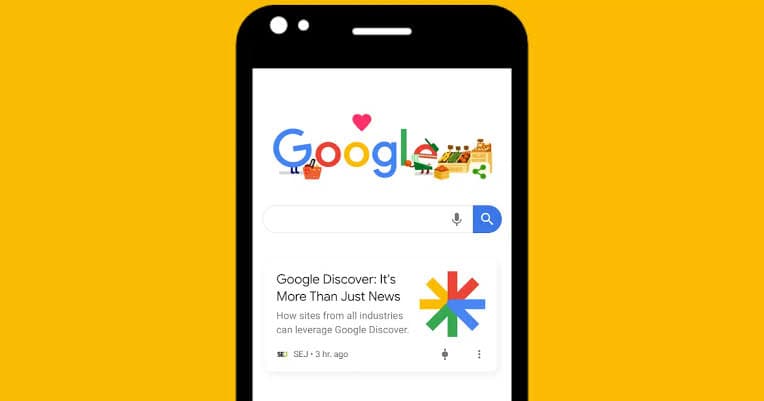
A quiet worry is spreading through marketing teams. Sites that did everything right are seeing organic traffic fall, and the instinct is to assume search optimization has stopped working. That reading is wrong. SEO is not dead. What has died is the assumption that a high ranking automatically turns into a click. Users increasingly get their answer from an AI generated summary at the top of the page and never scroll down to visit anyone. The traffic did not vanish because the content failed. It changed shape because discovery itself changed.
For anyone responsible for how a brand shows up in search, the useful question is no longer how to rank a page. It is how to become a source that AI systems understand, trust, and quote. That shift has a name, and it is worth learning.
From ranking pages to being cited
The emerging discipline goes by generative engine optimization, or GEO. It does not throw out everything SEO taught. It extends it. Traditional SEO aimed to push a page to the top of a list of blue links and measured success in clicks. GEO aims to make a brand the trusted reference that an AI assistant pulls from when it writes an answer, and it measures success in visibility and credibility rather than raw visits. One is about winning a position. The other is about winning a citation.
The distinction matters because the two goals reward different behavior. Optimizing for a ranking pushes teams toward keyword density and technical tricks. Optimizing to be cited pushes them toward original information that a model cannot find anywhere else, because a machine can only repeat what already exists. If your insight is the only place a fact lives, you become the source the answer depends on.
Three mistakes that quietly cost brands visibility
The first mistake is leaning too hard on AI to write the content. When everyone feeds the same models the same prompts, the output converges on the same bland middle. AI systems looking for something to cite need original material, and a page assembled from recycled model output gives them nothing new to point to. It blends into the noise it was copied from.
The second mistake is believing that AI summaries remove the need to publish at all. The logic sounds tidy and is completely backward. An assistant can only summarize and cite information that someone took the trouble to create and make available. If credible brands stop publishing real expertise, the machines have nothing solid to draw from, and the brands that keep publishing become the default authorities by simply still being there.