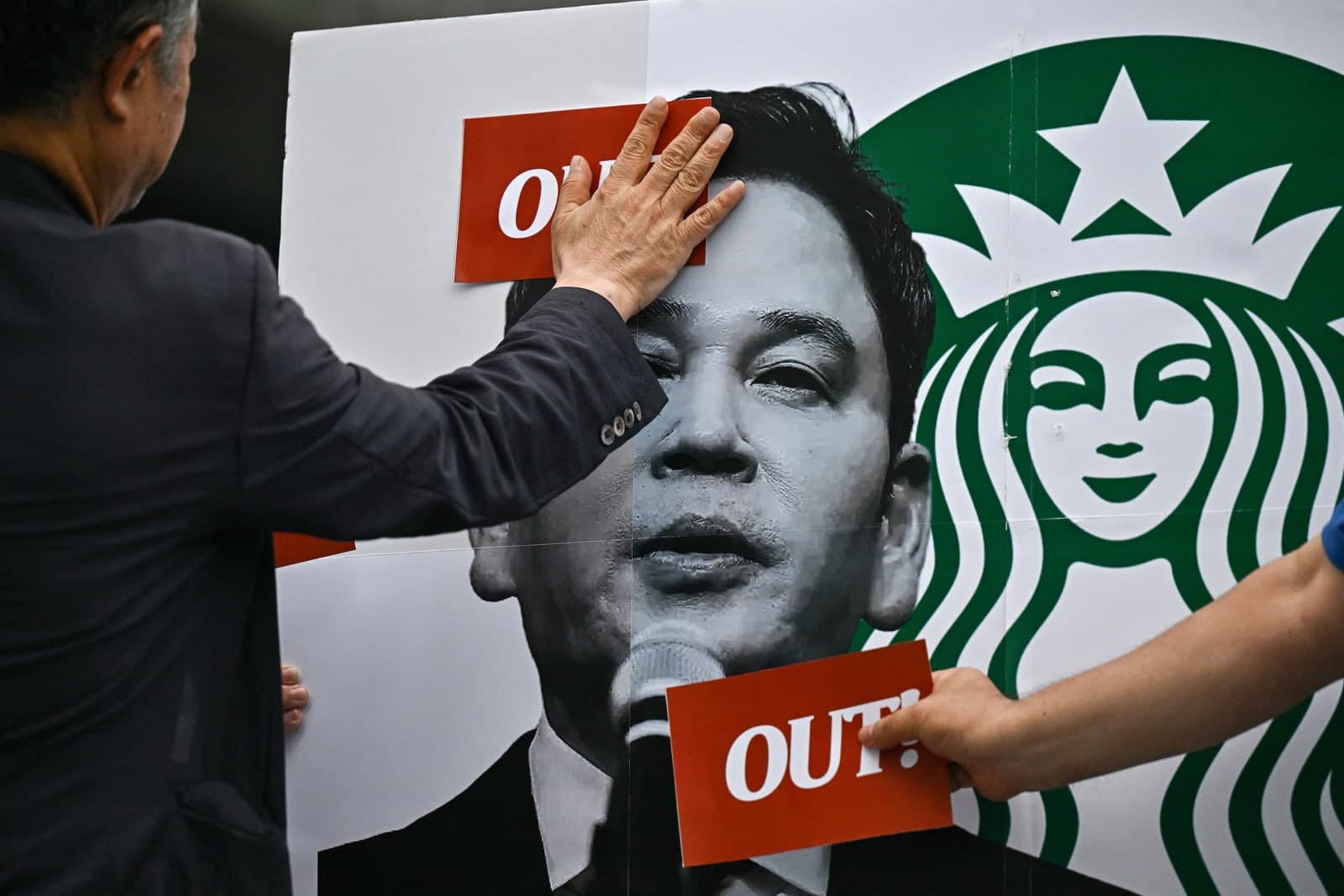
A coffee promotion is supposed to sell a few more tumblers, not cost a chief executive his job and shut thousands of stores. Yet that is exactly where Starbucks Korea landed after a marketing campaign collided with one of the most painful chapters in the country's history. The episode is a stark reminder that a brand does not get to choose which meanings its customers bring to a message, and that local memory can turn a harmless sounding slogan into an insult overnight.
The mistake looks small on paper and enormous in context. That gap between how a campaign reads inside a marketing meeting and how it lands in the real world is where this whole disaster lived.
What went wrong
To promote a line of drink tumblers, Starbucks Korea leaned on the wording Tank Day and paired it with the date 5/18. To the team that approved it, this may have read as a playful tie to a large cup size. To a great many South Koreans it read as something far darker, an unmistakable echo of 18 May 1980, when the military sent tanks against citizens during the pro democracy uprising in Gwangju.
That date is not trivia in South Korea. It marks a massacre that sits at the emotional center of the nation's long reckoning with its authoritarian past. Wrapping it around a coffee discount did not just miss the mark. It reopened a wound and dragged a beloved global brand straight into a decades old political argument it had no business entering.
A slogan means whatever the audience decides it means. The brand only controls the words, never the memory those words wake up.
A response measured in stores and jobs
The backlash was swift and furious, and the company's answer was unusually heavy. Starbucks Korea temporarily closed more than two thousand stores to put staff through mandatory history training, a remarkable admission that the failure was not one rogue post but a gap in understanding that ran through the organization. Chief executive Son Jung-hyun was removed over his role in the affair. The global headquarters called the blunder unintentional while stating plainly that it never should have happened.