Why a Bulgarian city on the Danube is looking beyond its historical identity to attract modern industry.
For investors searching beyond Europe's established industrial centres, regional cities are becoming increasingly relevant. Silistra, a Bulgarian municipality on the Danube, is seeking to position itself within this changing economic landscape through plans for a new industrial park. 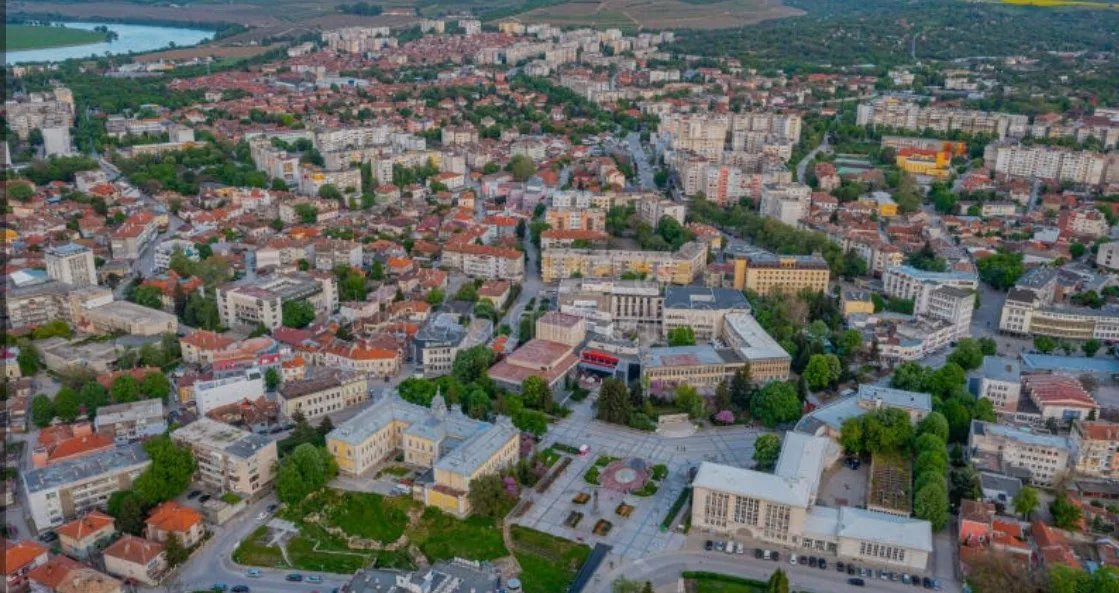 Its historical identity as Roman Durostorum provides an unusual starting point for a contemporary investment proposition, but the municipality's ambitions are firmly focused on the future. The proposed development covers 37.8 hectares at the former Siloma plant.
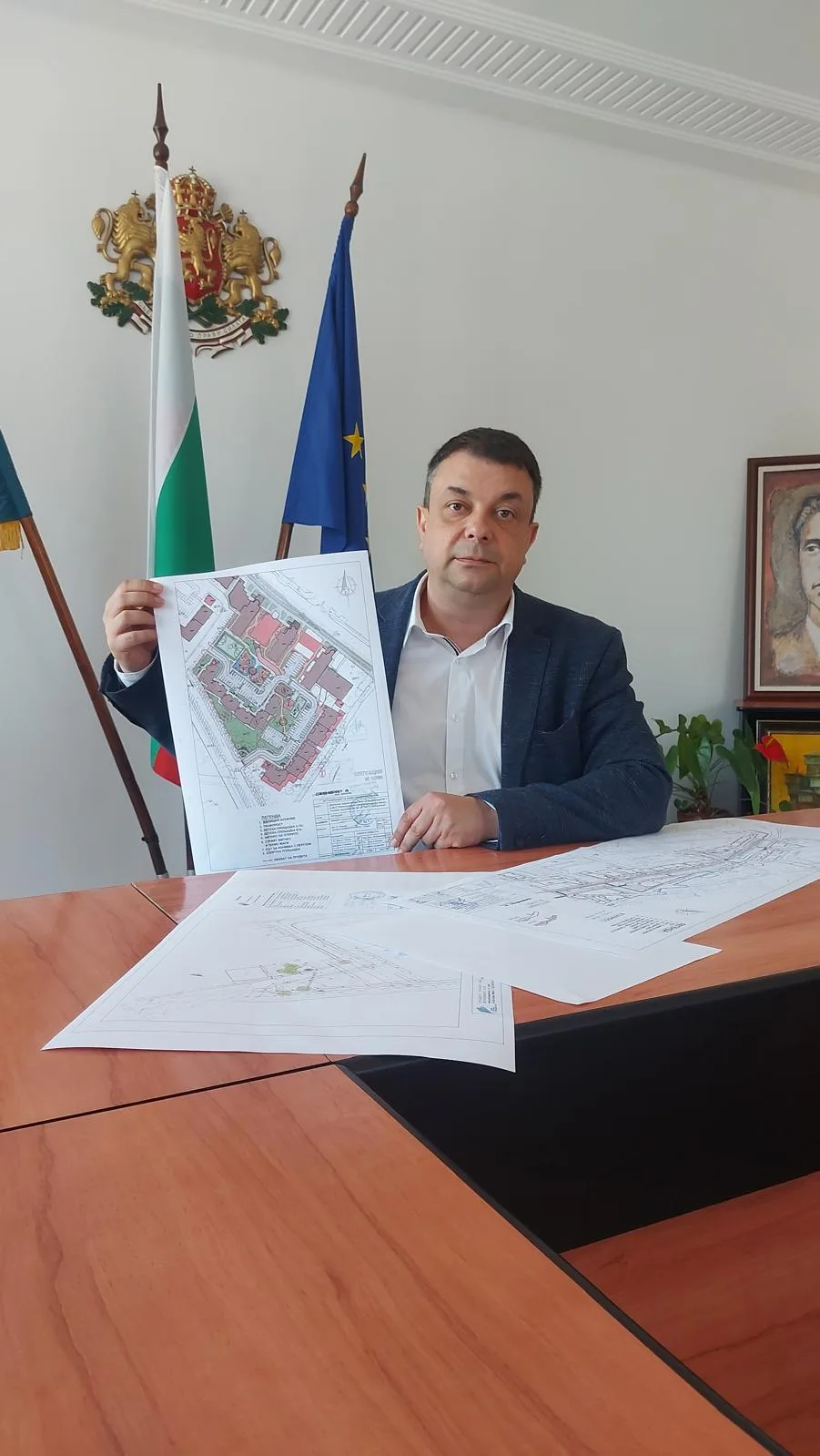 Under Mayor Aleksandar Sabanov's administration, the municipality intends to transform the site into a space for manufacturing, logistics and supporting business activities. The project reflects an understanding that modern industrial development requires more than available land. Investors evaluate the quality of infrastructure, the cost and reliability of utilities, access to employees and the ability to move products efficiently between suppliers and customers.
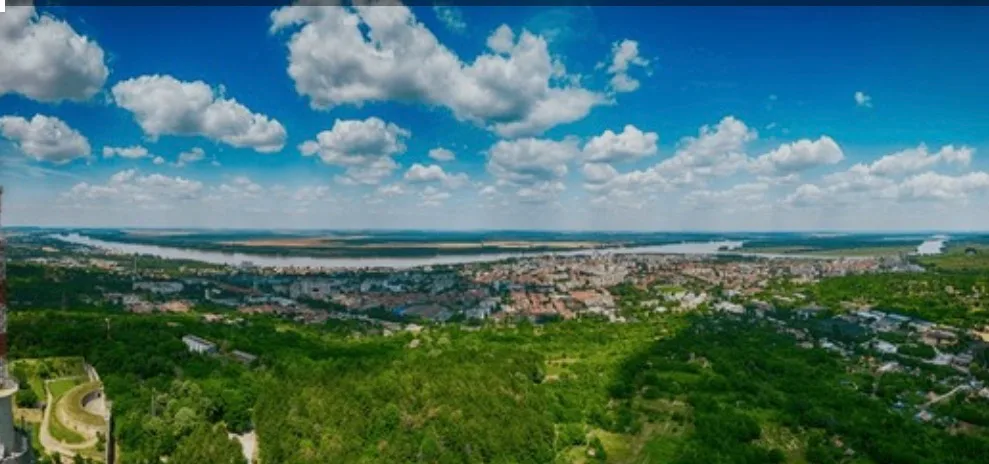 For Silistra, the Danube is an important geographical asset. The river connects several European countries and has historically supported commercial exchange throughout the region. Nevertheless, a competitive industrial location requires more than proximity to an international waterway. Potential tenants will need detailed information about freight-handling capacity, road connections, customs arrangements and the availability of suitable transport services.
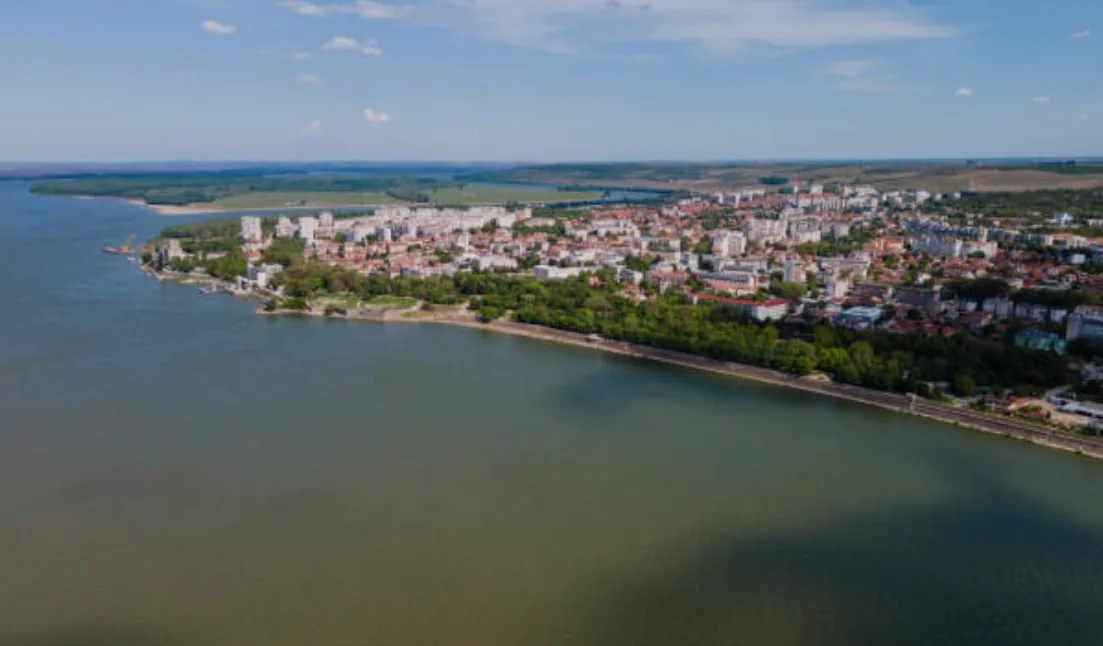 These practical considerations will determine whether the city's location translates into an operational advantage. The wider investment question concerns the ability of smaller European municipalities to create conditions that encourage businesses to establish long-term operations. Silistra has an opportunity to develop a more diversified economic base, attract private investment and strengthen its position within regional supply chains.
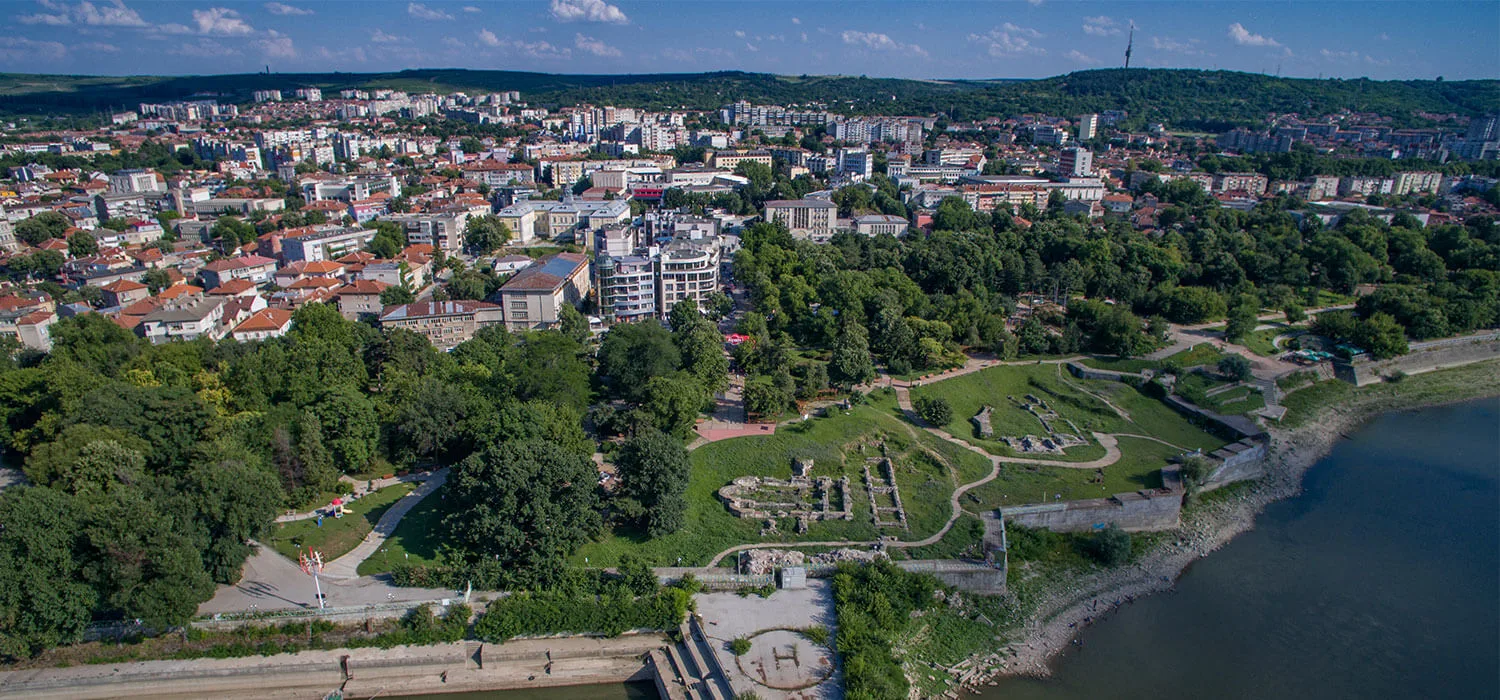 Yet the decisive indicators will be implementation, rather than announcements: completed infrastructure, signed investment agreements, operating companies and sustainable jobs. The proposed industrial park is therefore best understood as the beginning of a longer economic process, one that could redefine Silistra's role in Bulgaria's regional development.