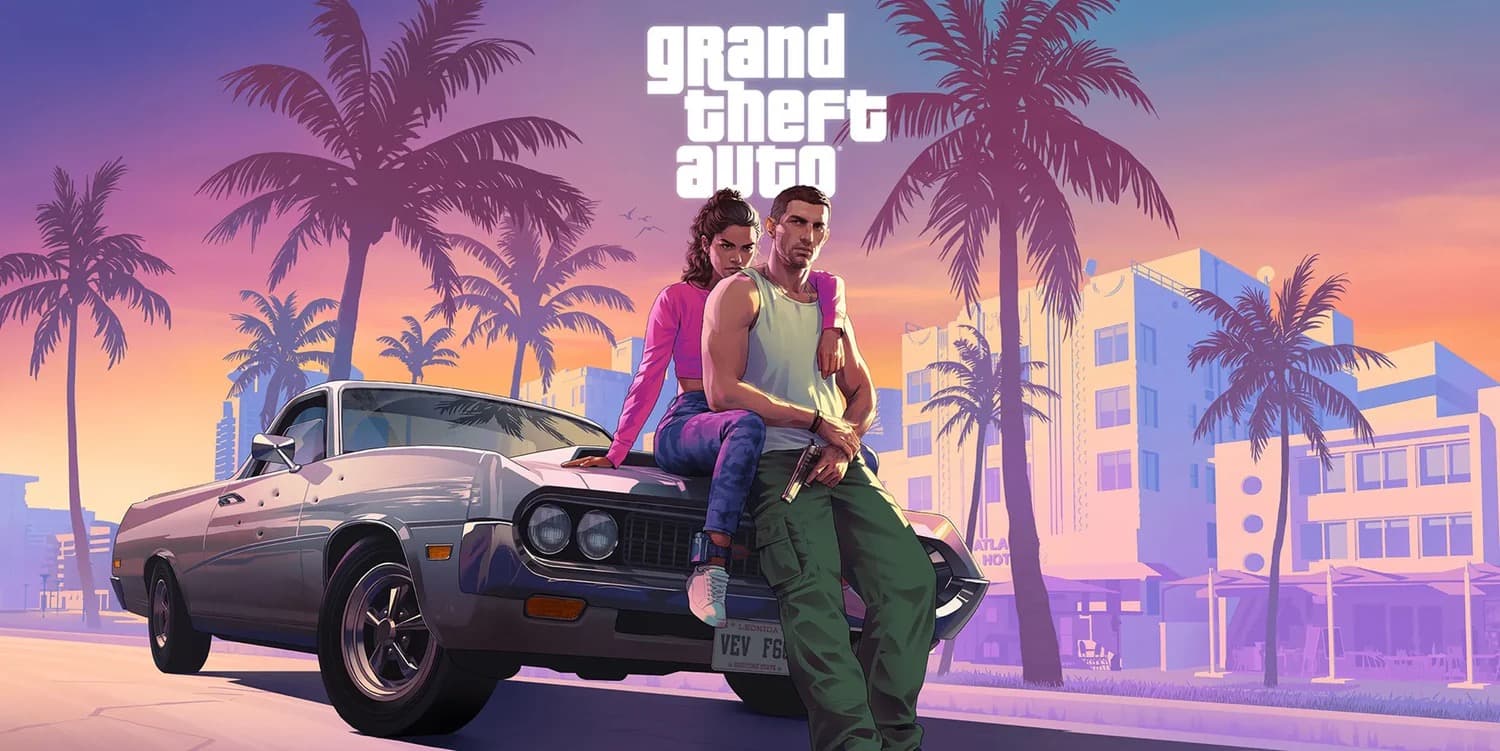
There is no bigger stage in entertainment marketing right now than Grand Theft Auto 6, and Sony wants to own as much of it as it can. As pre orders opened for the most anticipated game in years, the company rolled out a campaign built around a single confident claim, that the game plays best on PlayStation 5. It was a textbook example of a platform holder borrowing the gravity of a blockbuster franchise to lift its own brand, and it was also a reminder that this kind of marketing leaves no room for sloppiness.
The campaign appeared across the PlayStation Blog, YouTube, and the company's social accounts, then partly vanished within hours, then returned in corrected form a little later. That short, public wobble is worth studying, because it captures in miniature how co marketing with a giant works, why brands chase it, and what happens when the execution does not match the ambition.
Why a console brand chases a third party hit
Grand Theft Auto 6 is not exclusive to any single platform, which is exactly why the marketing fight around it matters so much. When a game will sell tens of millions of copies across competing consoles, the platform that successfully plants the idea that its version is the definitive one stands to win a wave of hardware sales, subscriptions, and long term loyalty. Association is the product here. Sony is not selling the game, it is selling the feeling that PlayStation is where this cultural event belongs.
This is one of the oldest and most effective moves in brand marketing. A challenger or a leader attaches itself to something the audience already loves, and a portion of that affection transfers to the brand. The closer the tie and the more credible the claim, the stronger the lift. With a launch the size of this one, even a modest edge in perception can translate into enormous real world numbers.
The substance behind the slogan
To its credit, Sony did not lean on the slogan alone. The campaign, framed as a close partnership with the game's studio, pointed to concrete reasons the PlayStation version might feel special. It highlighted the haptic feedback and adaptive triggers of the DualSense controller, the spatial sound of its 3D audio technology, and a high speed solid state drive that promises near instant loading across the game's vast world. A free month of the company's premium subscription tier was bundled with pre orders to sweeten the deal.
Tying the message to specific features is what separates persuasive marketing from empty boasting. Anyone can say their version is better. Pointing to a controller that rumbles in time with the action and a drive that erases loading screens gives the audience a reason to believe it. The claim stops being a tagline and starts being a list of things a player can picture experiencing.
The stumble, and what it cost
Then came the slip. Soon after the campaign went live, most of the promotional posts disappeared from the company's social channels while the blog entry stayed up. A few hours later the material returned with new imagery. The original creative had reportedly used an outdated version of the game's logo and pictured the older launch model of the console rather than the current hardware, and the refreshed version fixed both.
On the surface these are tiny details. In practice they strike at the heart of a campaign whose entire pitch is that PlayStation is the best and most current home for the game. An out of date logo and an old console undercut the very impression of being on top of things, and they handed observers a story about a fumble at the exact moment the brand wanted the story to be about superiority. The quick correction limited the damage, but the lesson stands. When your message is precision and prestige, your assets have to be perfect, because the audience reads carelessness as a signal.
Marketing by what you leave out
Just as telling as what the campaign said is what it carefully avoided. The announcement made no mention of frame rate, resolution, or separate graphics and performance modes, the technical specifics that the most engaged players scrutinize most closely. In a launch this scrutinized, that silence does not read as an oversight. It reads as a deliberate choice to keep the conversation on experience and emotion rather than numbers that invite side by side comparison with rival hardware.
Choosing what to omit is a real marketing discipline. By steering attention toward feel, immersion, and speed rather than raw specifications, the brand keeps control of the narrative and avoids handing critics an easy yardstick. The risk is that an engaged audience notices the gap and fills it with speculation, which is exactly what happened as players began trading theories about why the figures were missing.
The takeaways for marketers
Sony's GTA 6 push is a compact case study in the rewards and hazards of hitching your brand to someone else's phenomenon. The upside is obvious, since attaching to a beloved property can lift a brand higher than any standalone campaign could. The first hazard is that borrowed attention is unforgiving, because the spotlight you wanted magnifies every mistake, and an audience this passionate will catch a wrong logo in seconds. The second is that credibility depends on specifics, so a claim of being best needs proof points the audience can feel rather than a slogan alone.
The campaign will almost certainly do its job, because the pull of the franchise is simply too strong and the corrected message is sound. Yet the brief stumble is the part marketers should remember. When you stand next to the biggest name in the room, you inherit its audience and its scrutiny in equal measure, and the only way to keep the association working in your favor is to be as flawless as the company you are trying to keep.