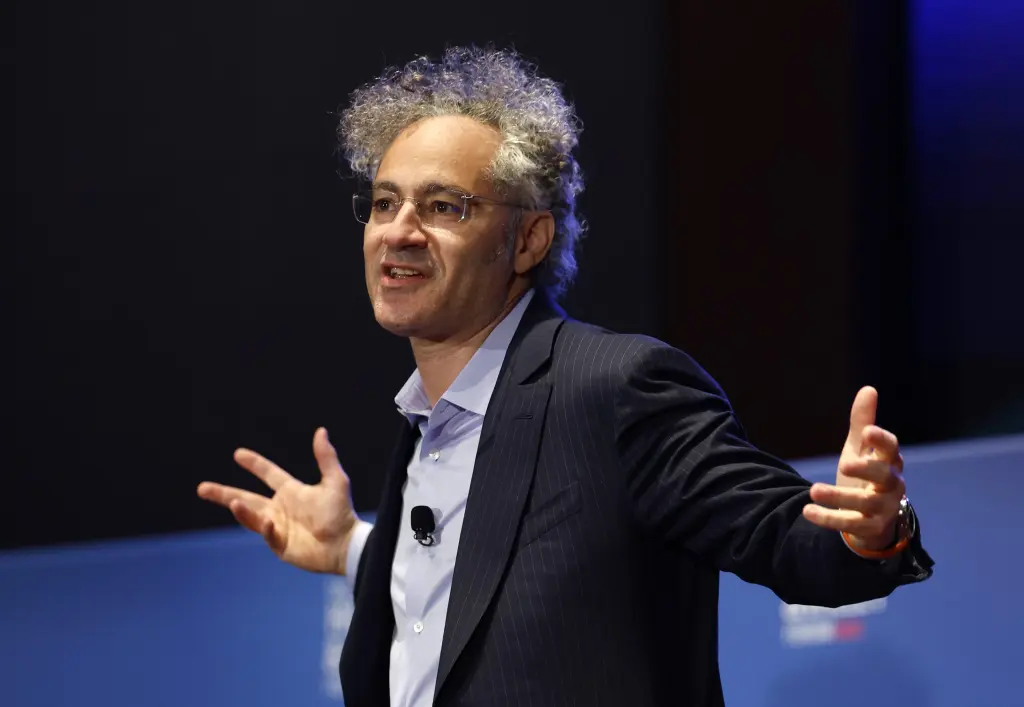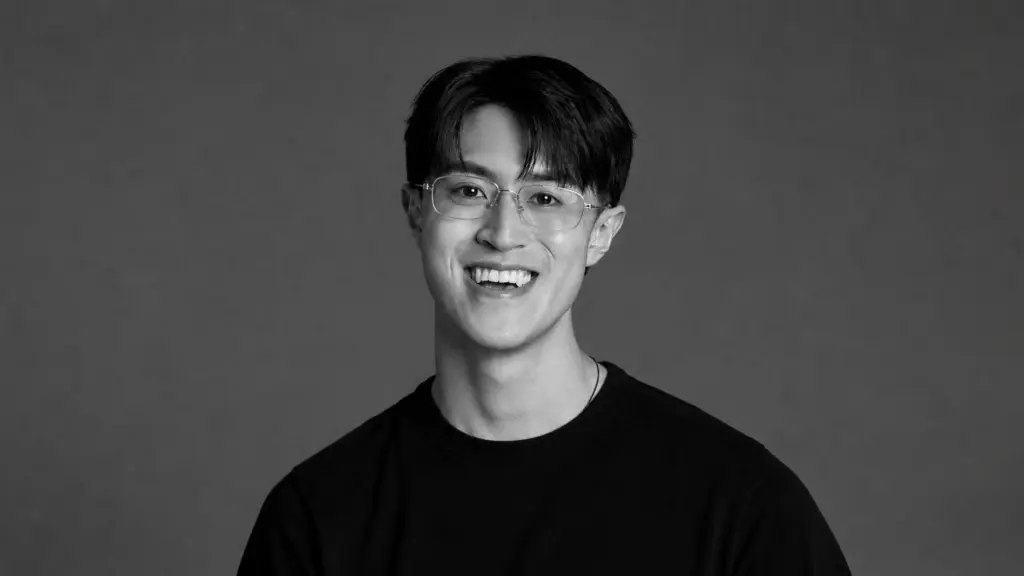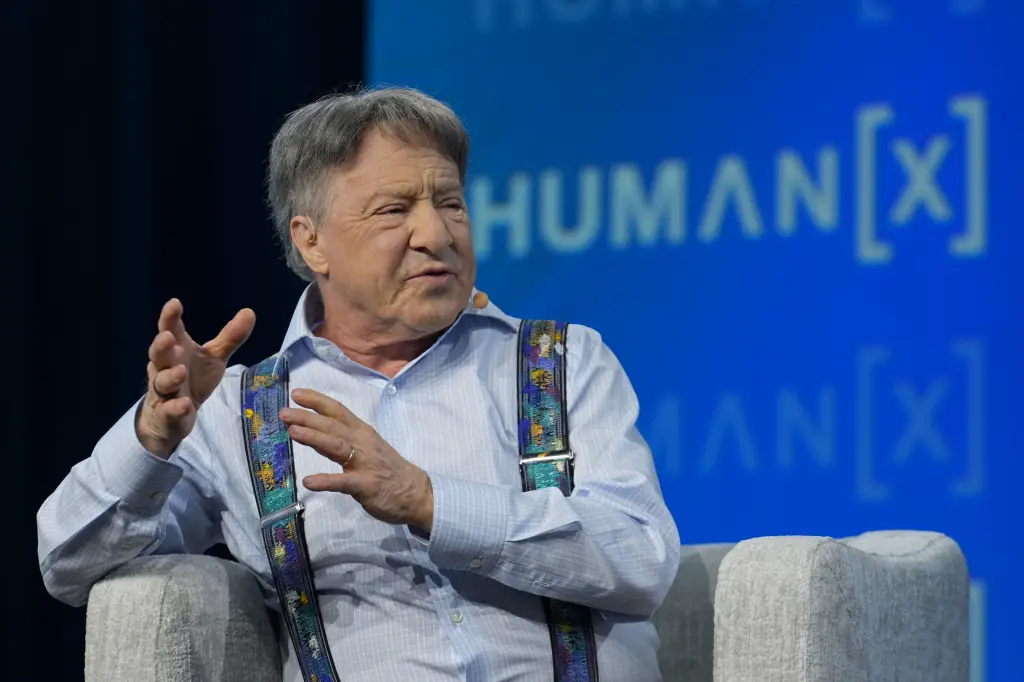
Subsense, a Palo Alto neurotech startup working on a brain computer interface built around inhaled nanoparticles, announced Wednesday evening that Ray Kurzweil is joining as a product and vision advisor. Kurzweil is a longtime Google researcher, a National Medal of Technology and Innovation recipient, and the author of books like The Age of Intelligent Machines and The Singularity Is Near, which predicted a striking number of technologies now in everyday use. For a company still doing pre-clinical work on mice, the hire is less about engineering help and more about a name that can carry a story before the underlying product is ready to speak for itself.
What Subsense is actually building
The technology itself sounds like science fiction. Where Elon Musk's Neuralink requires drilling through the skull to implant a wireless chip, a process that has already let roughly a dozen paralyzed patients control computers with their thoughts, Subsense is chasing a non-surgical route. Its approach introduces charged nanoparticles into the brain intra-nasally, in a process the company compares to inhaling allergy medicine through a nasal spray. Once inside, the particles would be controlled through an external cap fitted with magnetic coils, described as looking something like a cross between a baseball cap and a bike helmet. Subsense has so far shown only a non-functional mock-up of that cap, and the company itself acknowledges the technology is years away from being available, assuming it clears the lab at all.
A name built for exactly this moment
Few figures in technology carry the specific kind of authority Kurzweil does. His singularity theory, the idea that technology will soon let humans transcend the limits of biology, has shaped how a generation of engineers and investors talk about the far future of computing. Subsense says Kurzweil will offer perspective on its technology roadmap and on how the convergence of AI and neural interfaces will reshape human computer interaction. That is a real advisory role on paper, but it is also, unmistakably, a branding decision, attaching a widely recognized futurist to a company most people have never heard of.
Borrowing credibility instead of buying it with ad spend
Subsense has raised 27 million dollars and is still running pre-clinical experiments, a stage where a traditional marketing budget would buy very little useful attention. A famous advisor solves a different problem entirely. Kurzweil's name generates coverage, investor interest, and public curiosity that a young, unproven neurotech company could not easily earn on the strength of its results alone, since there are no results yet to point to. It is a familiar early stage playbook, pair speculative science with a trusted face who can make the underlying vision sound inevitable rather than experimental.